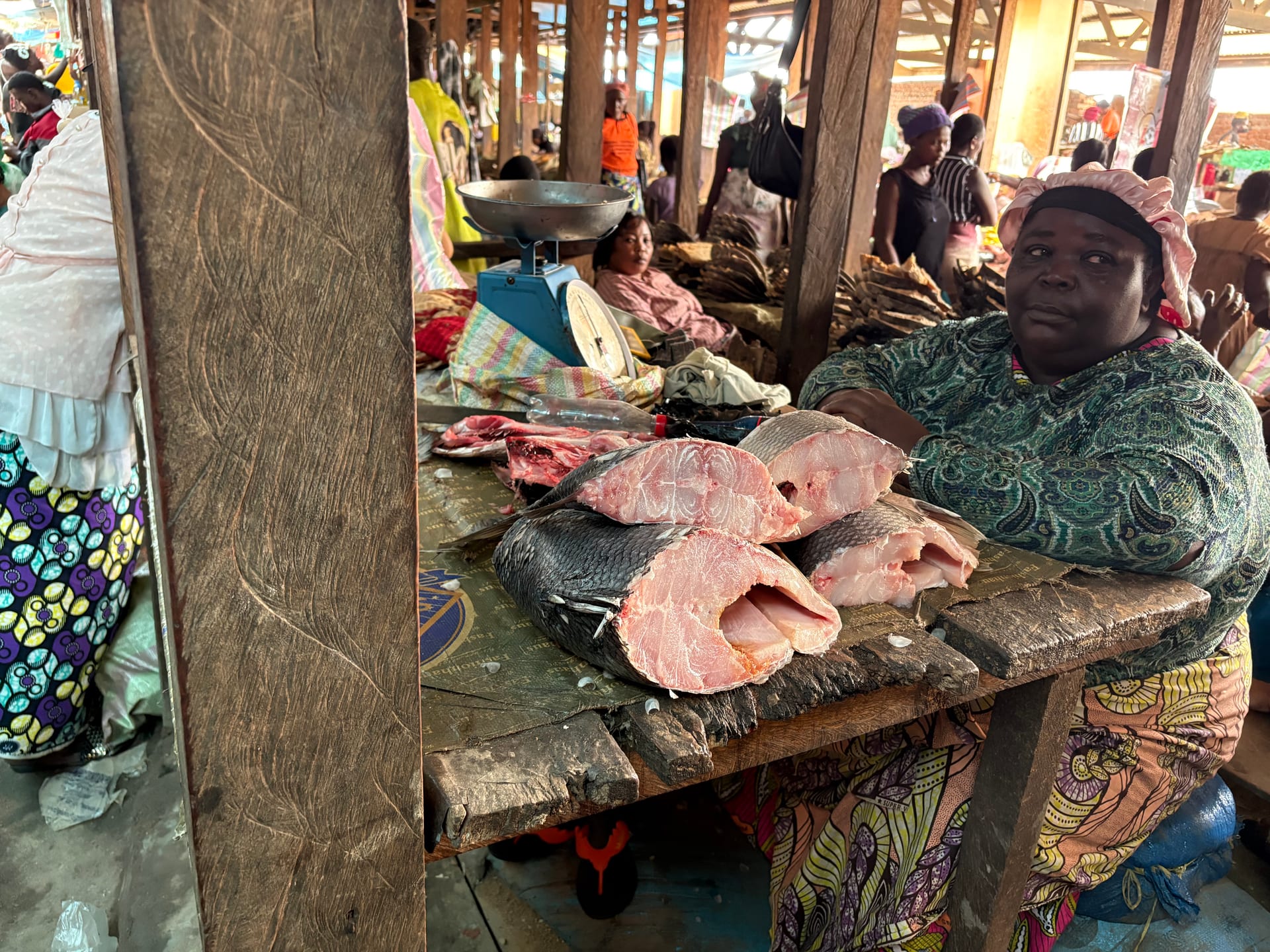
How we generate and sell energy at Budana — every step of the process, from the dam on the River Shari to the meter on the pole.
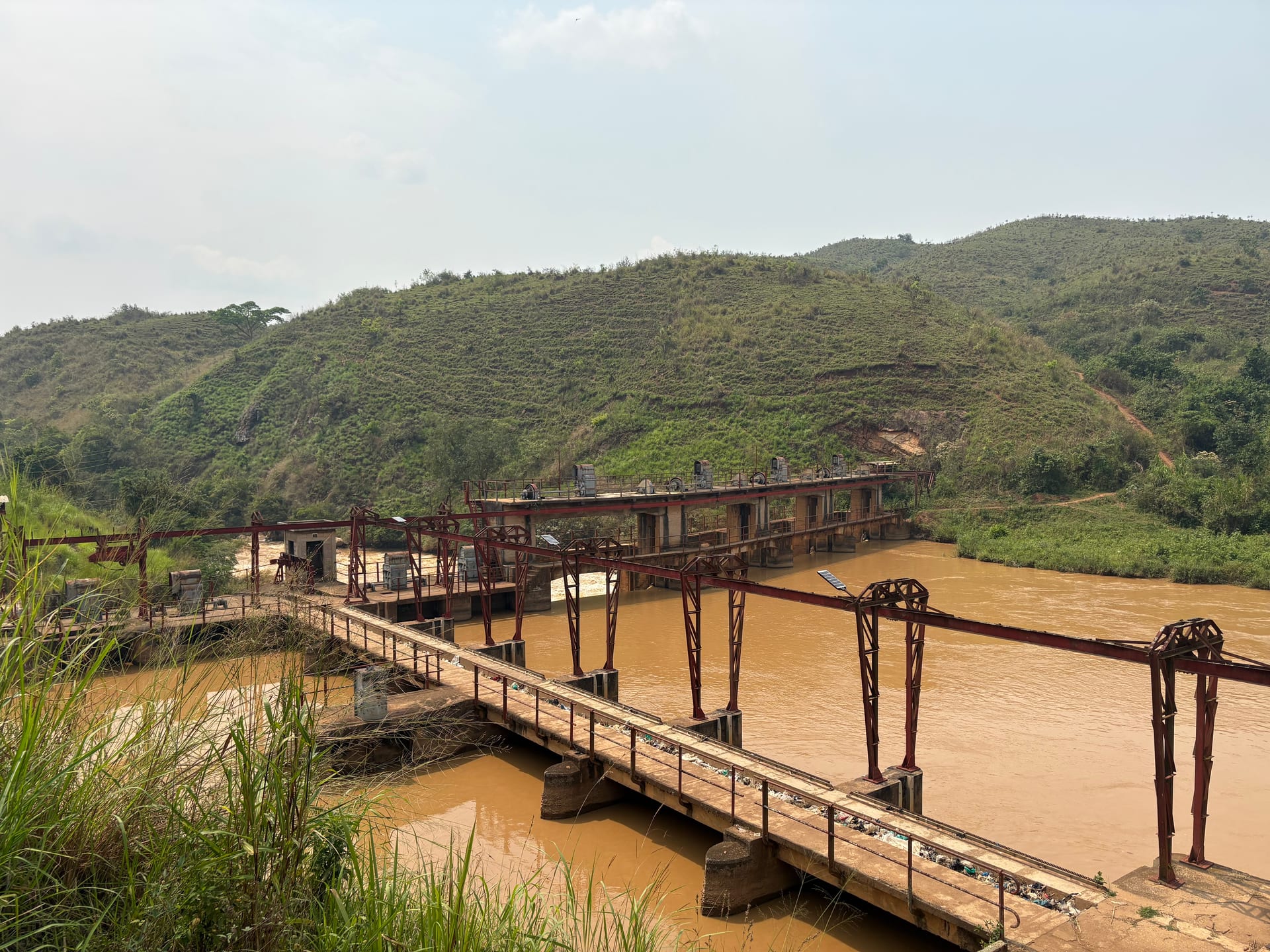
The main dam checks the flow of the River Shari at a natural waterfall, forming a reservoir on the river's course. From here, water is fed into the canal that supplies the station.
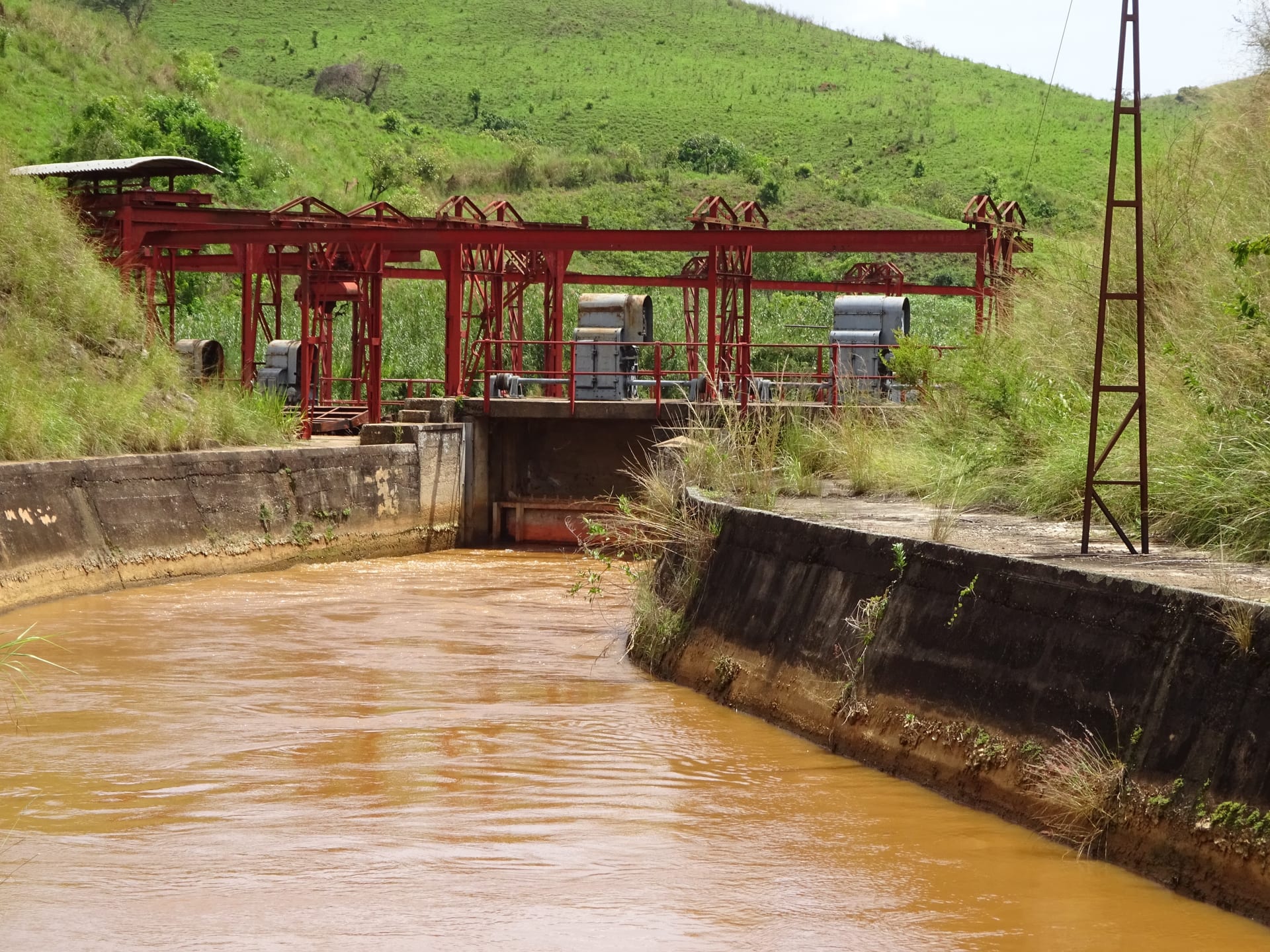
Water diverted from the Shari travels to the turbines along a 500-metre canal cut into the surrounding bedrock. The civil engineering dates from the 1940s and remains in near-perfect condition.
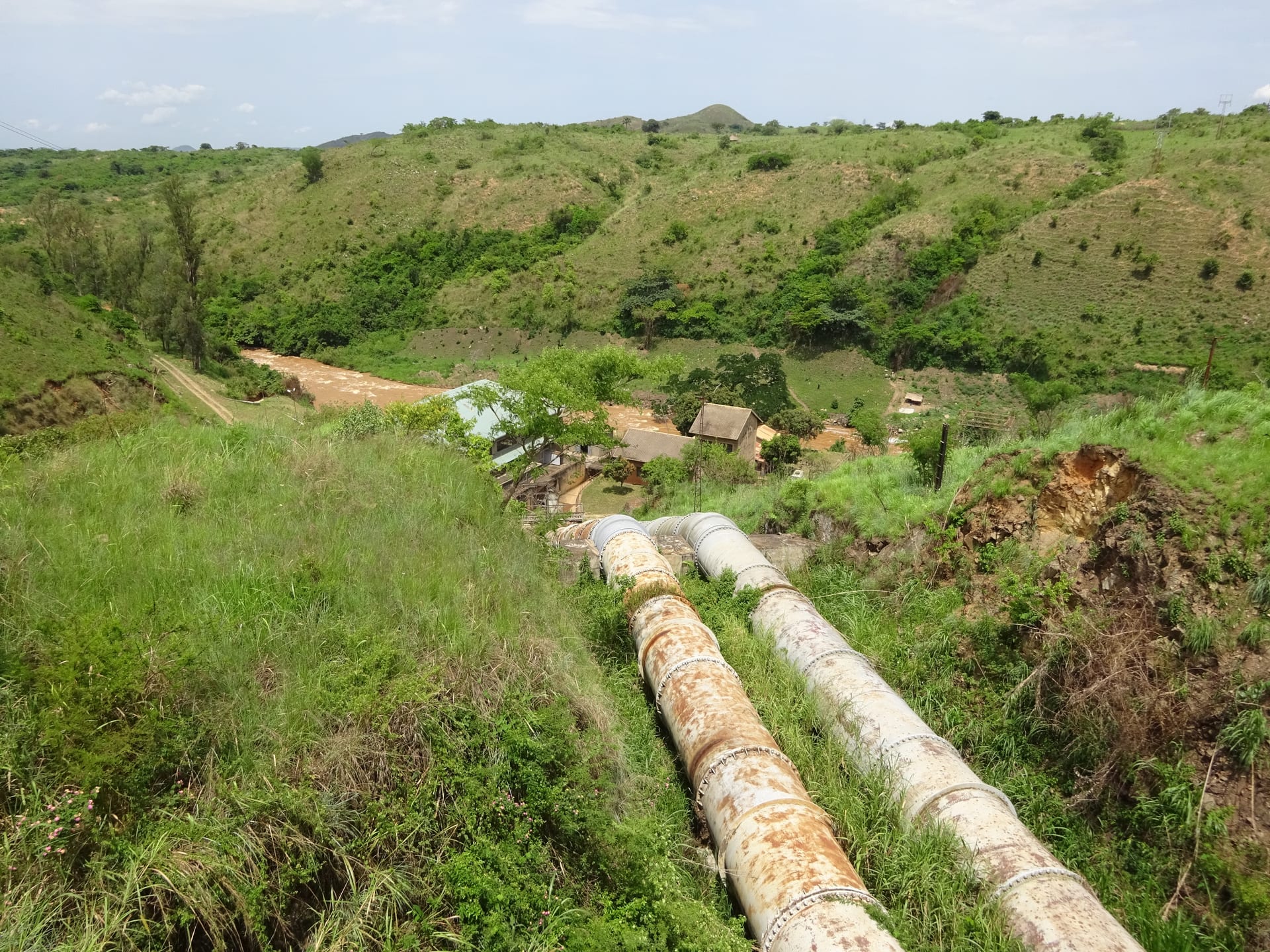
Two penstocks carry water from the canal down to the turbine hall. One is shared between the two operational turbines; the other is dedicated solely to Turbine 3, which awaits refurbishment.
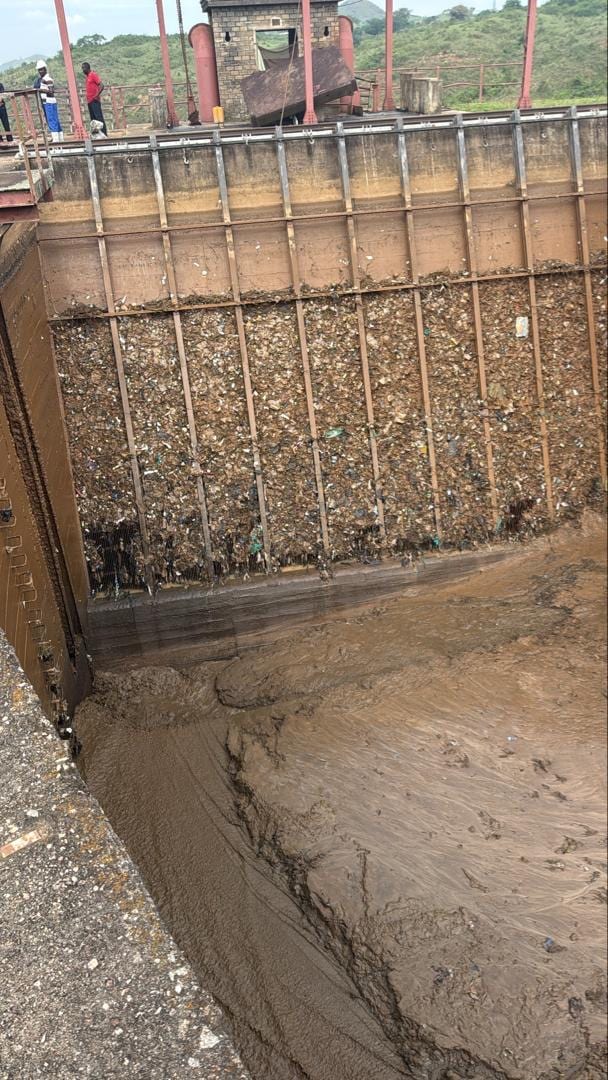
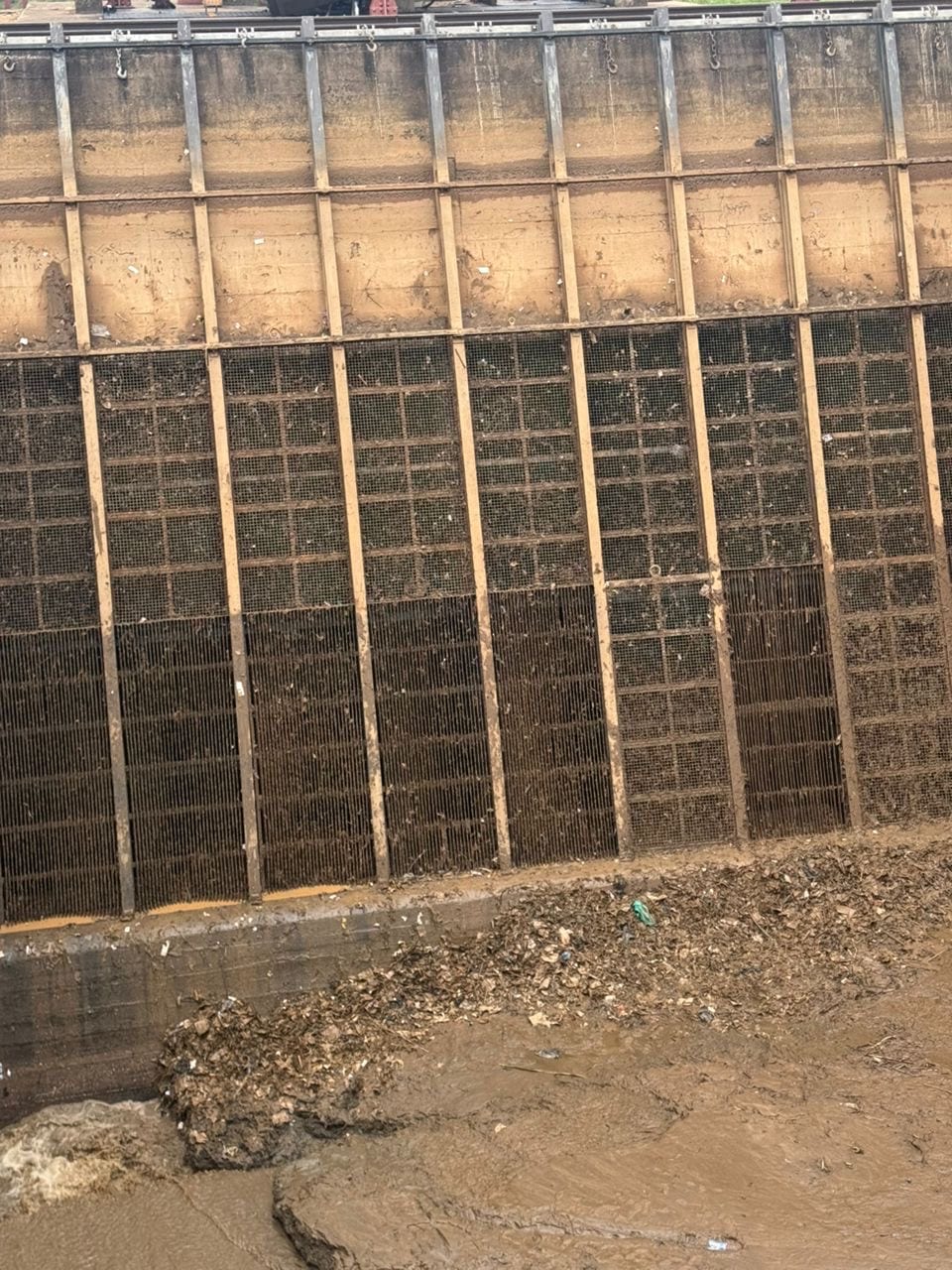
Each month Greentech clears the dam and canal — not only silt washed down by upstream deforestation, but metric tonnes of plastic dumped into the Shari. Left in place it would choke the flow into the penstocks, so it is removed and recycled.
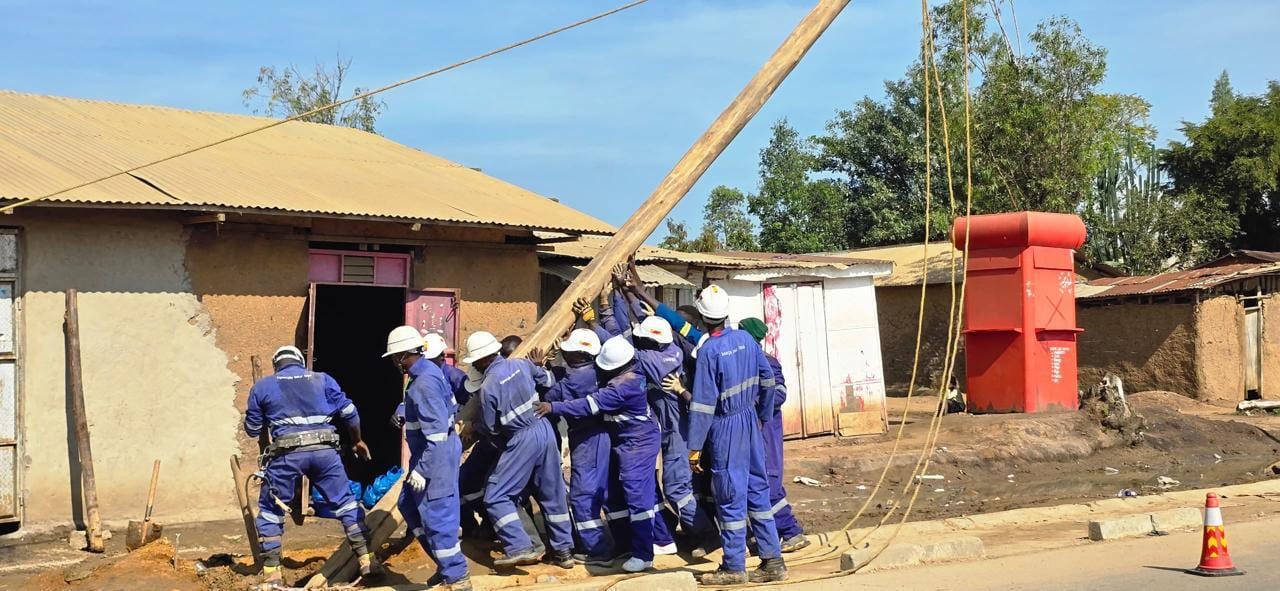
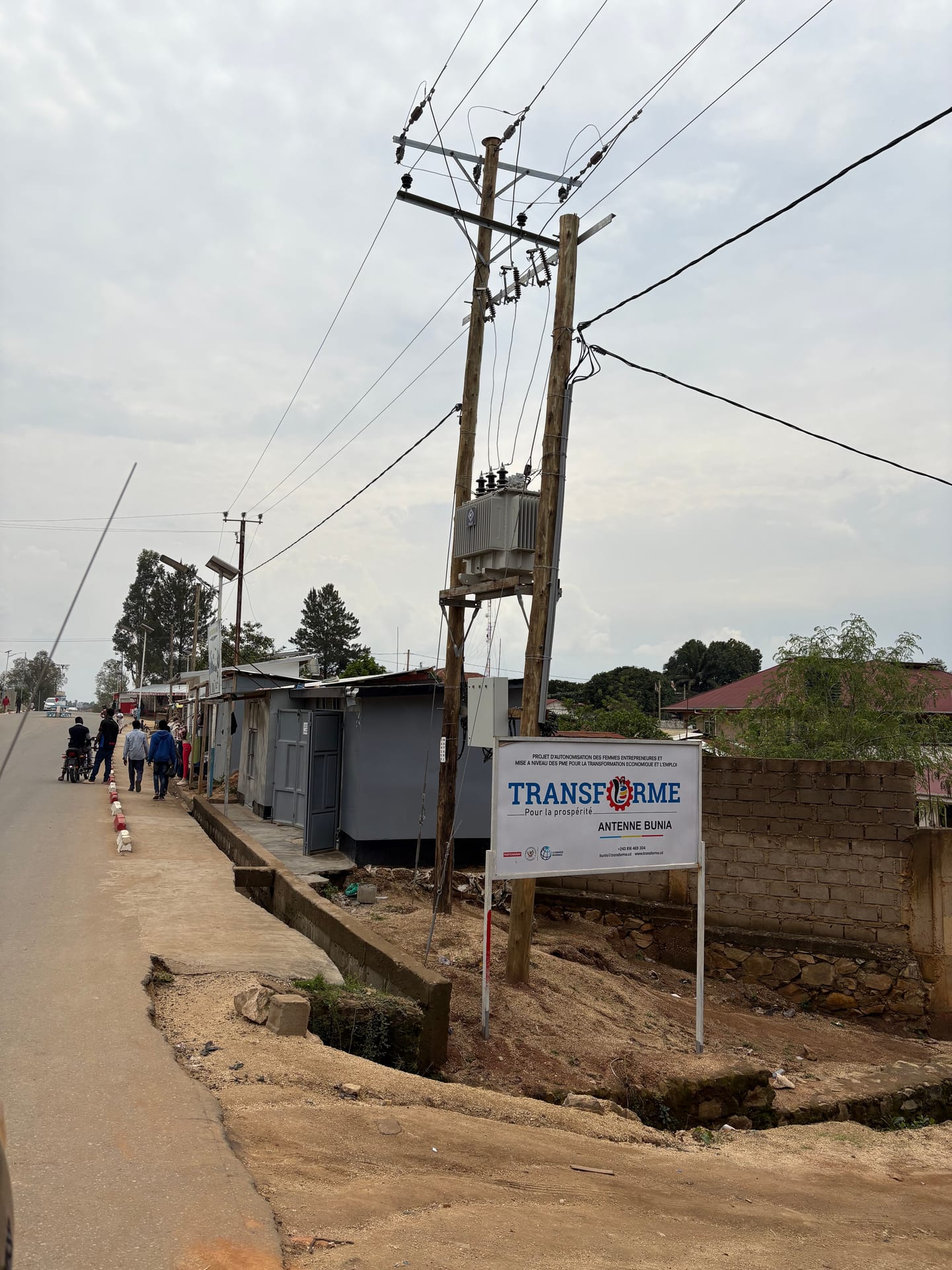
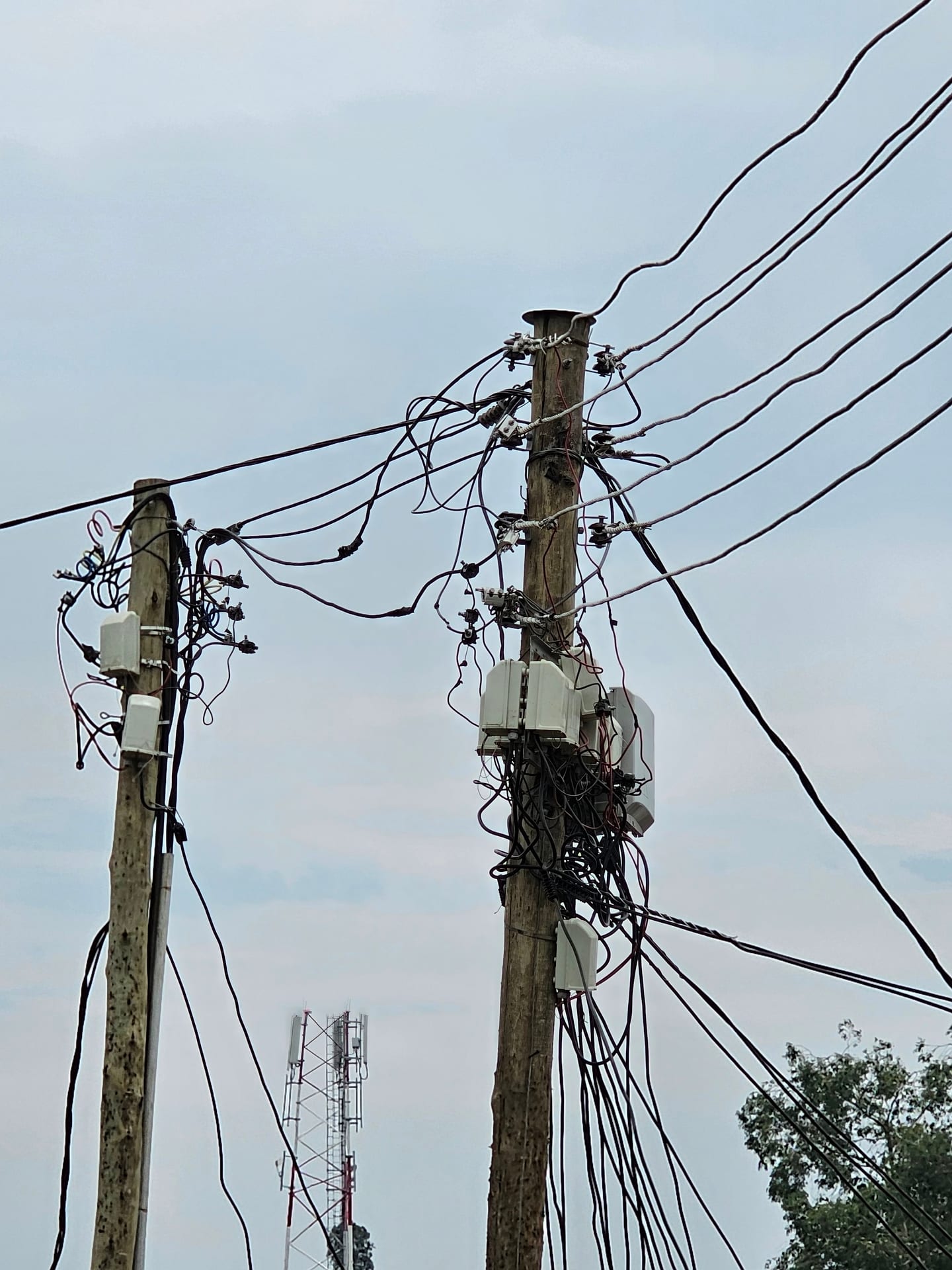
Greentech's engineers have focused resources on reconstructing Bunia's grid, replacing a pre-existing network that was unsafe and wasteful. The programme has extended supply to people and communes of the city where electricity was not accessible before.
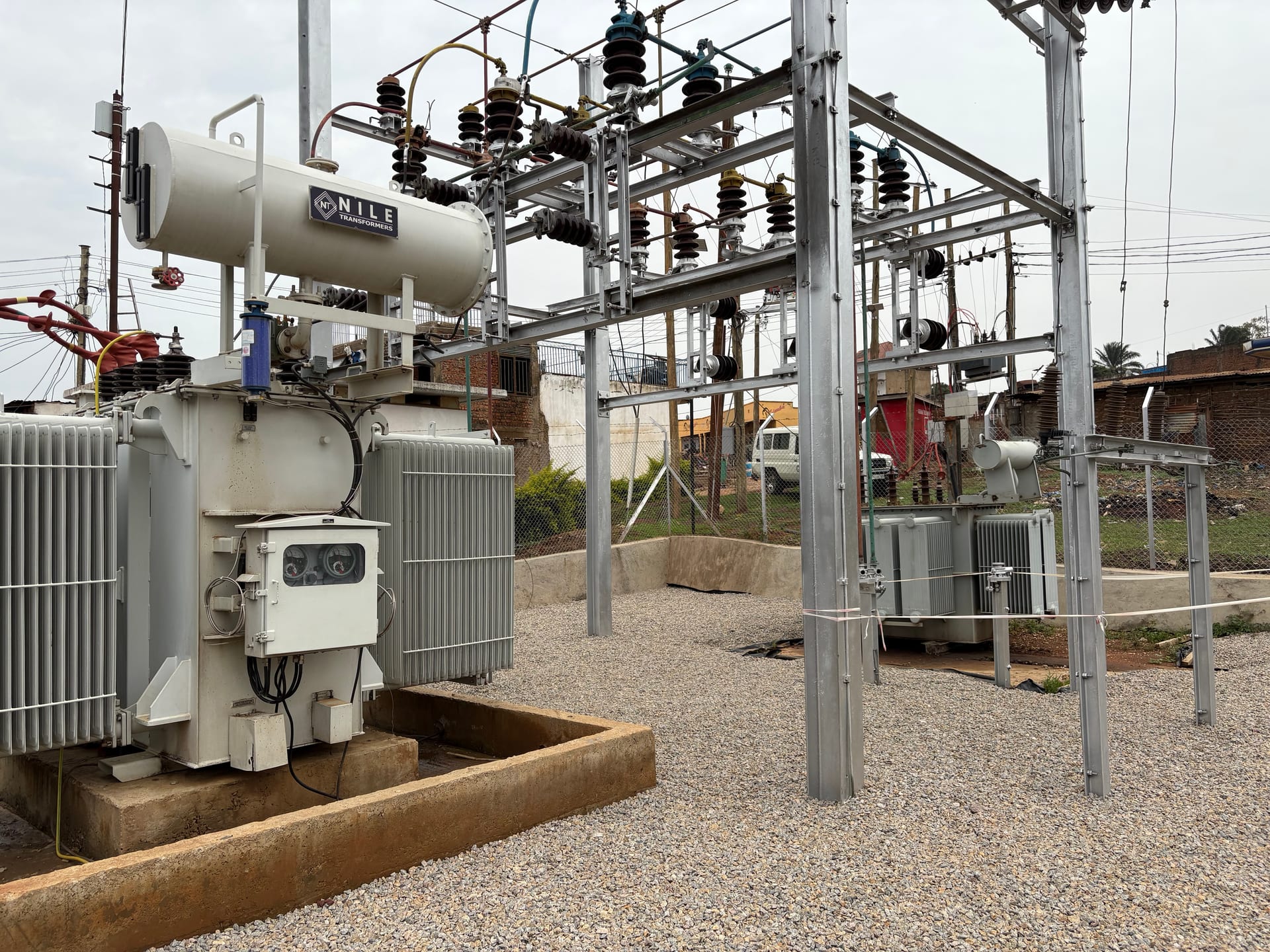
Major works in 2025 overhauled Bunia's primary 55kV-to-33kV transformer substations, providing the foundation for the grid's stability.
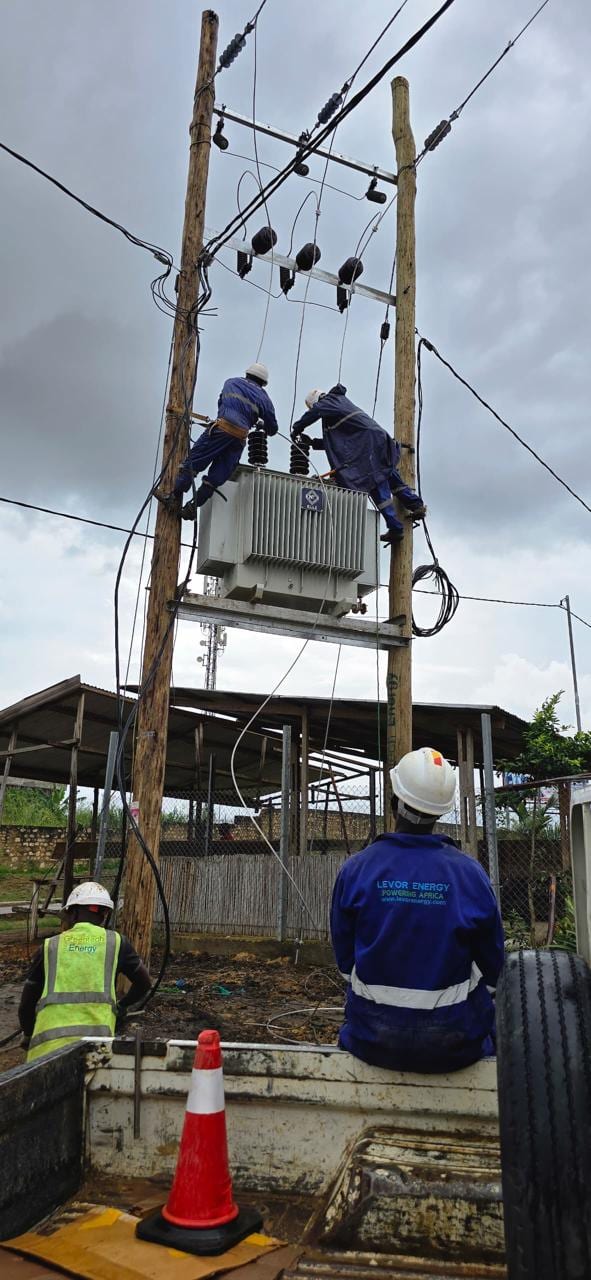
To guarantee the quality of the power we distribute, Greentech has installed 33kV-to-11kV Nova transformers throughout the city — typically one for every fifty clients.
Pole-mounted pre-paid meters underpin a long-term, sustainable sales model: customers pay as they go and are charged a proportional rate on their usage.
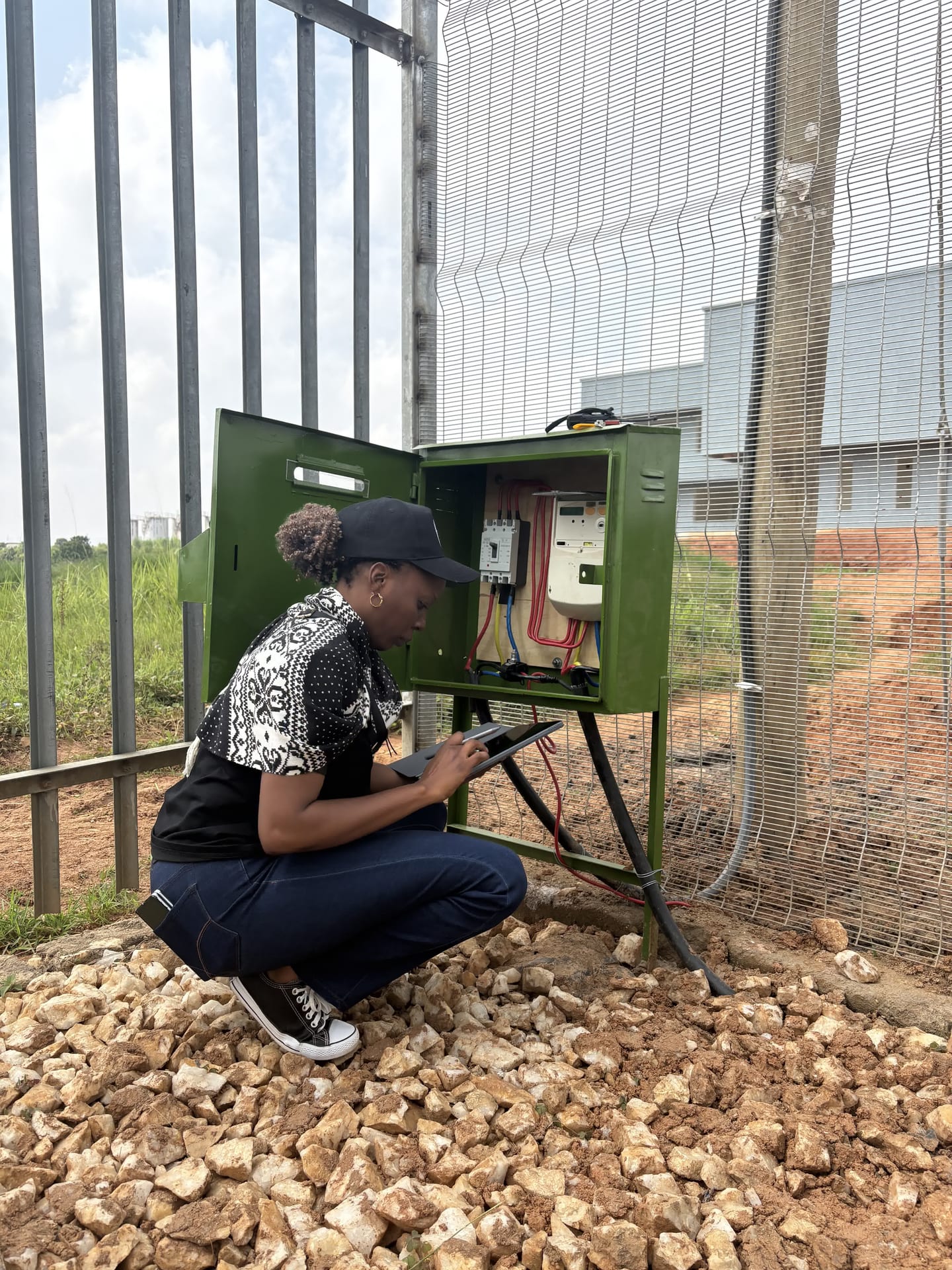
An engineer checks the reading on a three-phase meter, used to track our growing list of three-phase clients — including universities, churches and nascent industry in Bunia.
A historic lack of energy means markets operate in the open air, where fresh produce has a limited lifespan. With consistent access to electricity, vendors are driving an uptick in demand for refrigerators and coolers.