Renewable infrastructure · Sub-Saharan Africa
Powering Africa's Future
VerdAfrique develops and operates renewable energy infrastructure across Sub-Saharan Africa, delivering reliable power where it matters most.
VerdAfrique develops and operates renewable energy infrastructure across Sub-Saharan Africa, delivering reliable power where it matters most.
We specialize in identifying distressed or underutilized infrastructure and deploying targeted capital to restore capacity; where the opportunity calls for it, we also build new capacity from the ground up. In the Democratic Republic of Congo, this means breathing new life into dormant hydroelectric infrastructure, establishing localized, reliable mini-grids for industrial and residential consumers.
Complementing our hydro baseload in the DRC, we are developing utility-scale solar in Zimbabwe, diversifying across two countries and two technologies while maximizing capital efficiency and mitigating regional risk. Our Bunia hydro plant is operational and generating revenue today; our first solar phase is expected online in September 2026.
Power is sold in US dollars across both projects, giving stable, hard-currency income insulated from local-currency swings.
Our direct-to-consumer model guarantees long-term demand for every unit of electricity we generate, at attractive tariffs.
Our Bunia hydro plant runs around the clock now, with a clear pipeline of hydro and solar growth ahead.
We refurbish proven infrastructure first, delivering capacity at a fraction of new-build cost with hydrology and grid connections already in place, then expand with new solar and storage.
Every megawatt expands energy access and displaces diesel, advancing UN Sustainable Development Goals 7, 8 and 13.
We operate in markets where demand for reliable electricity far outstrips supply, and keeps growing.
Budana Power Station · River Shari
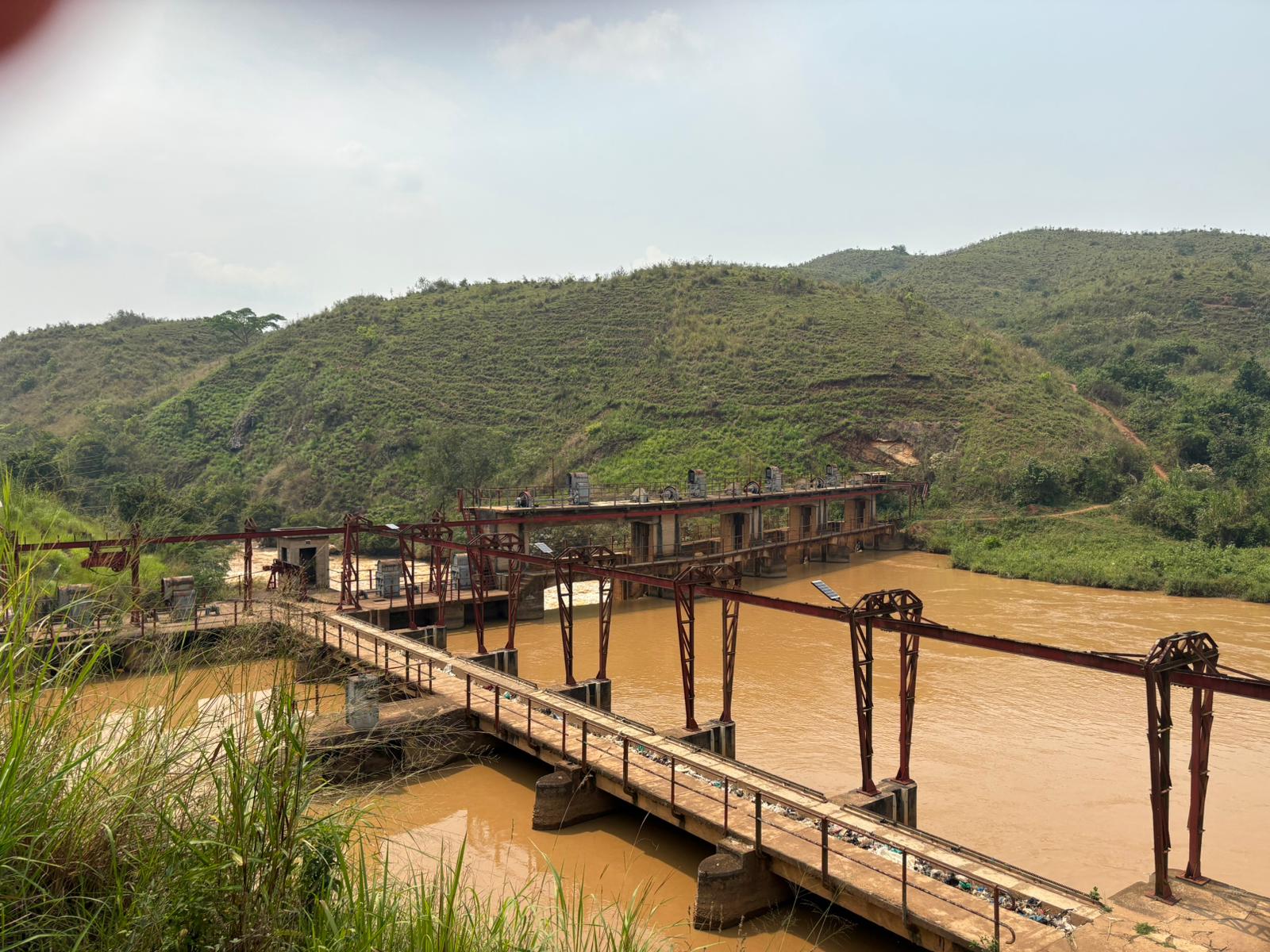
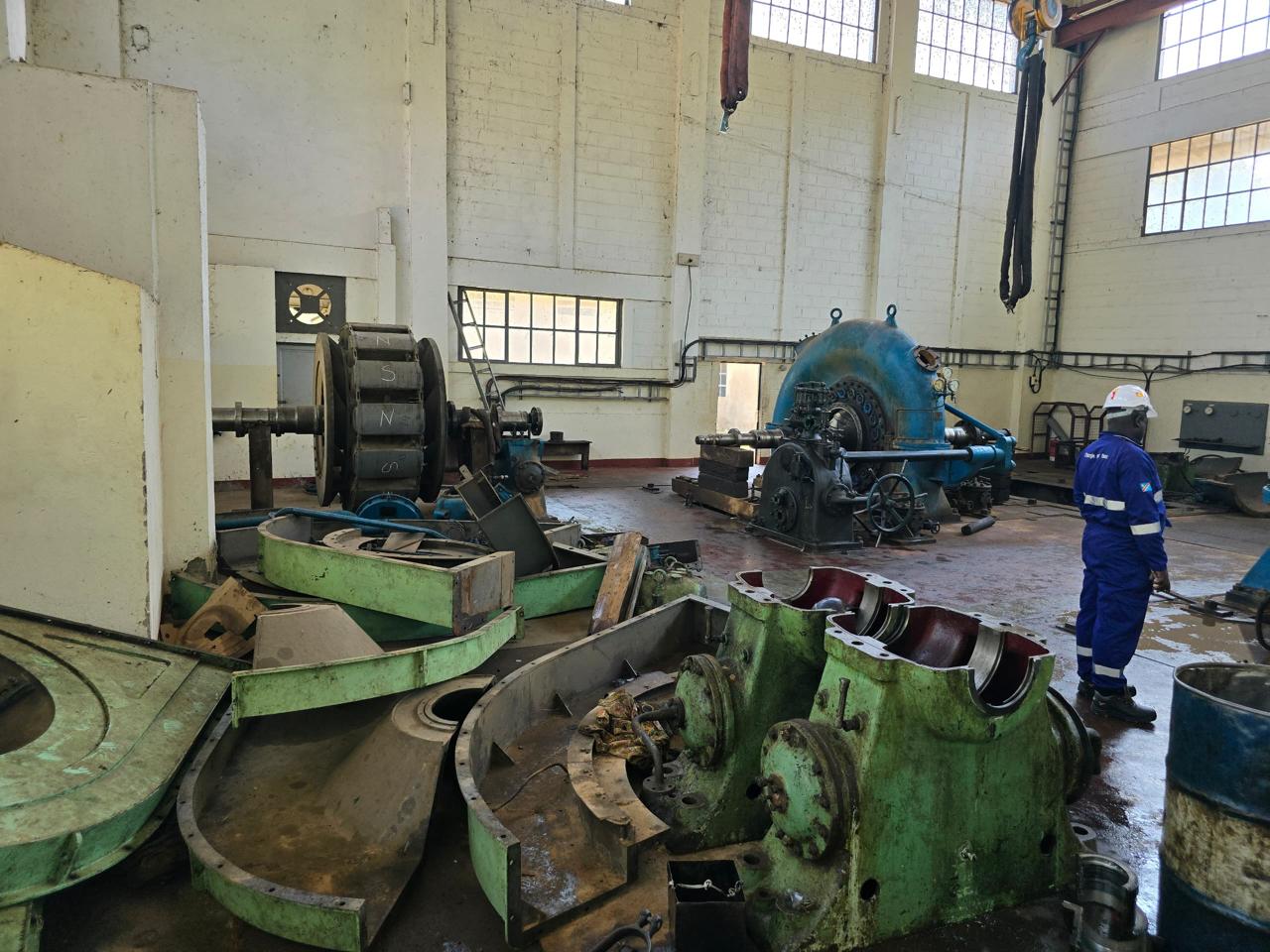
The Budana hydro station sits on the River Shari above Bunia, a city of up to two million people in Ituri Province. Its civil infrastructure, including the dam, penstocks and powerhouse, was built decades ago but had fallen into serious disrepair. When VerdAfrique arrived in 2024, one Francis turbine was barely operational, generating under 1MW, and the grid serving the city was largely non-functional.
The project is a 60/40 joint venture between Greentech Energy S.A., which is wholly owned by VerdAfrique, and SOKIMO, the DRC state gold-mining company. Greentech holds the exclusive concession to refurbish, operate and sell power from the site for 25 years, and is the only entity supplying electricity to Bunia's grid. Our approach restores proven assets first, paired with the metering and billing infrastructure needed to collect revenue reliably.
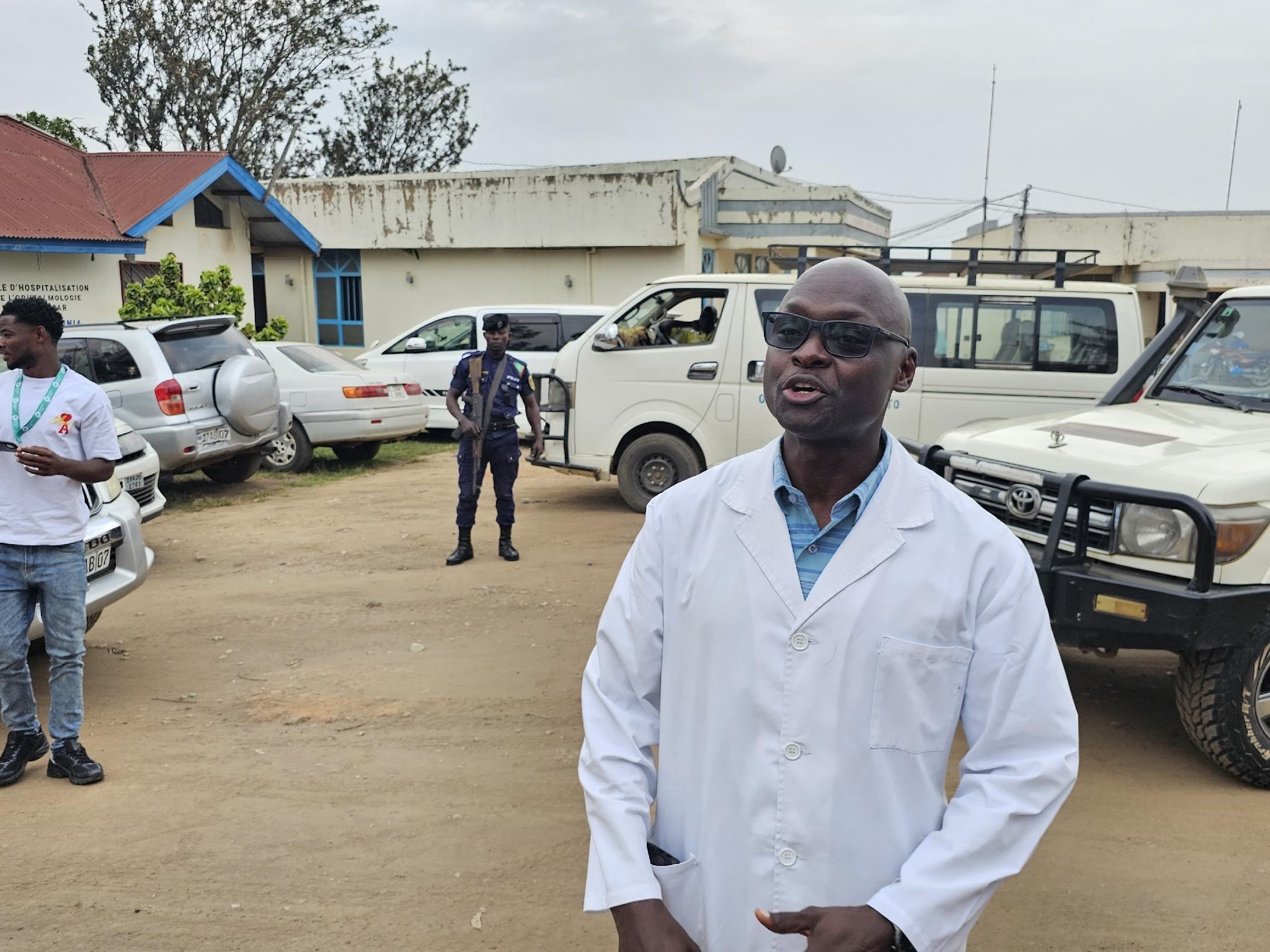
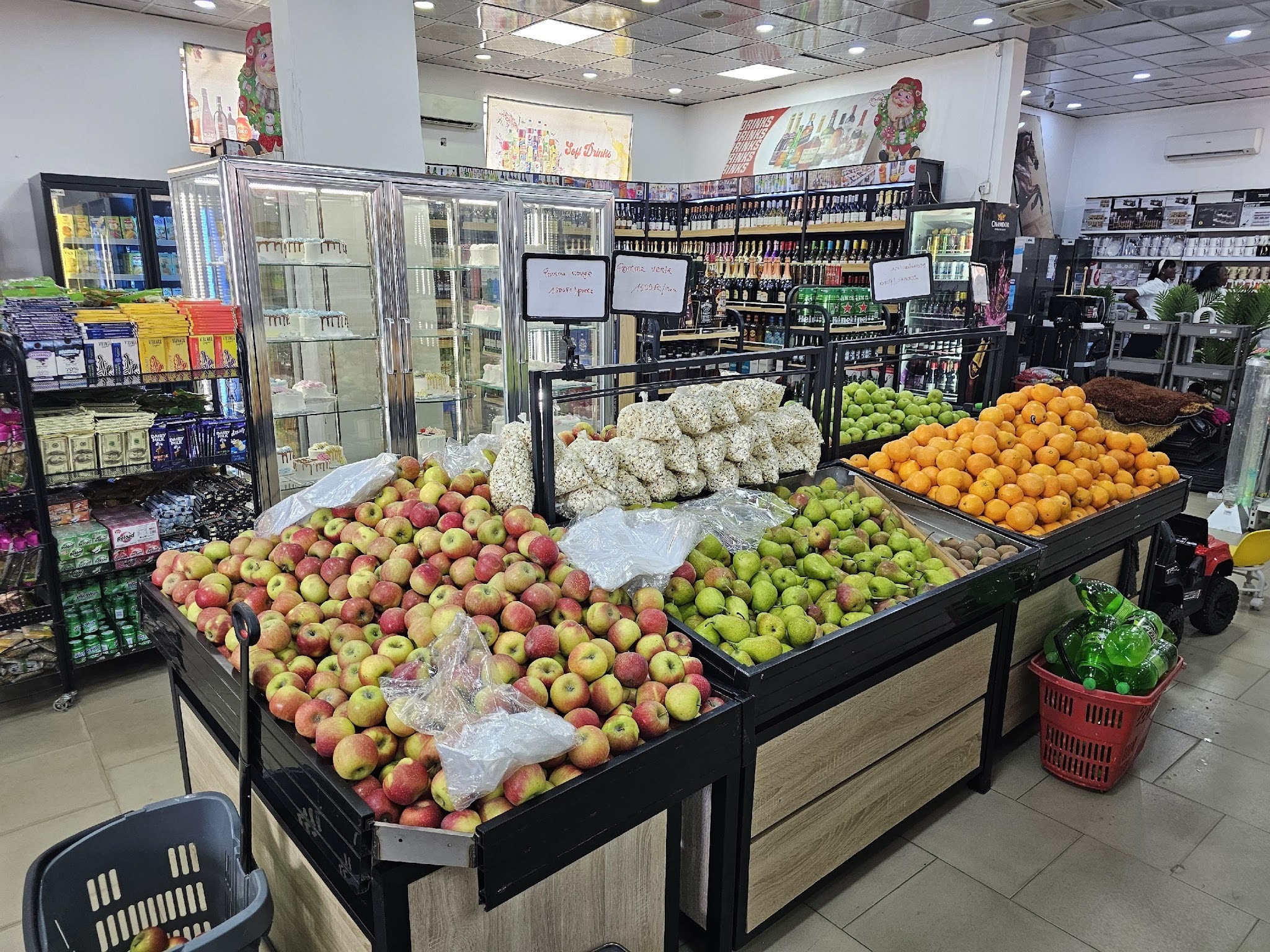
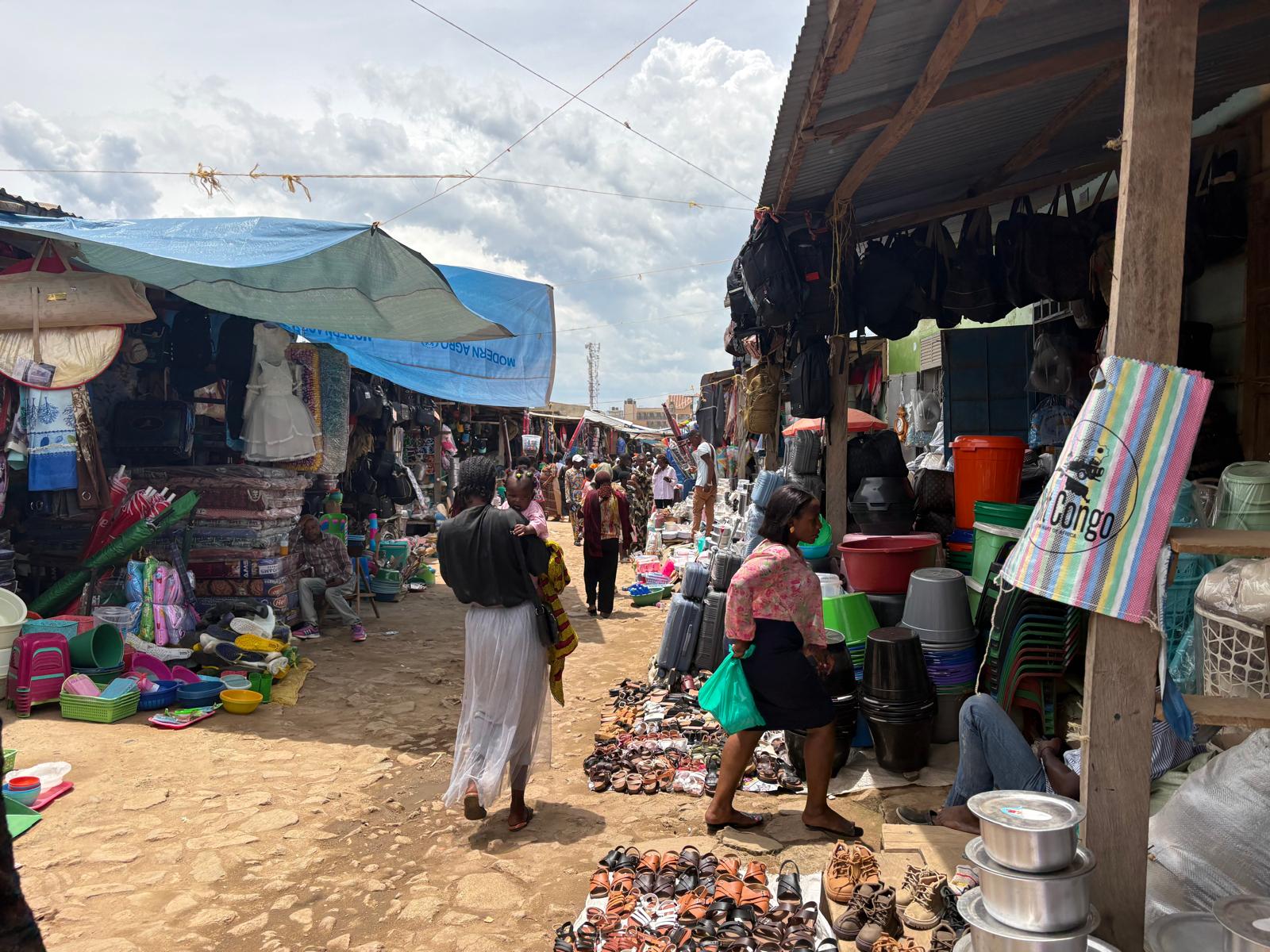
Before VerdAfrique's arrival, Bunia's shops, hospitals and homes depended on expensive, polluting diesel generators. Clean grid power has changed that: hospitals run diagnostic equipment, supermarkets keep refrigerated stock, streetlights run through the night, and commerce extends beyond dark, at a fraction of what diesel charged.
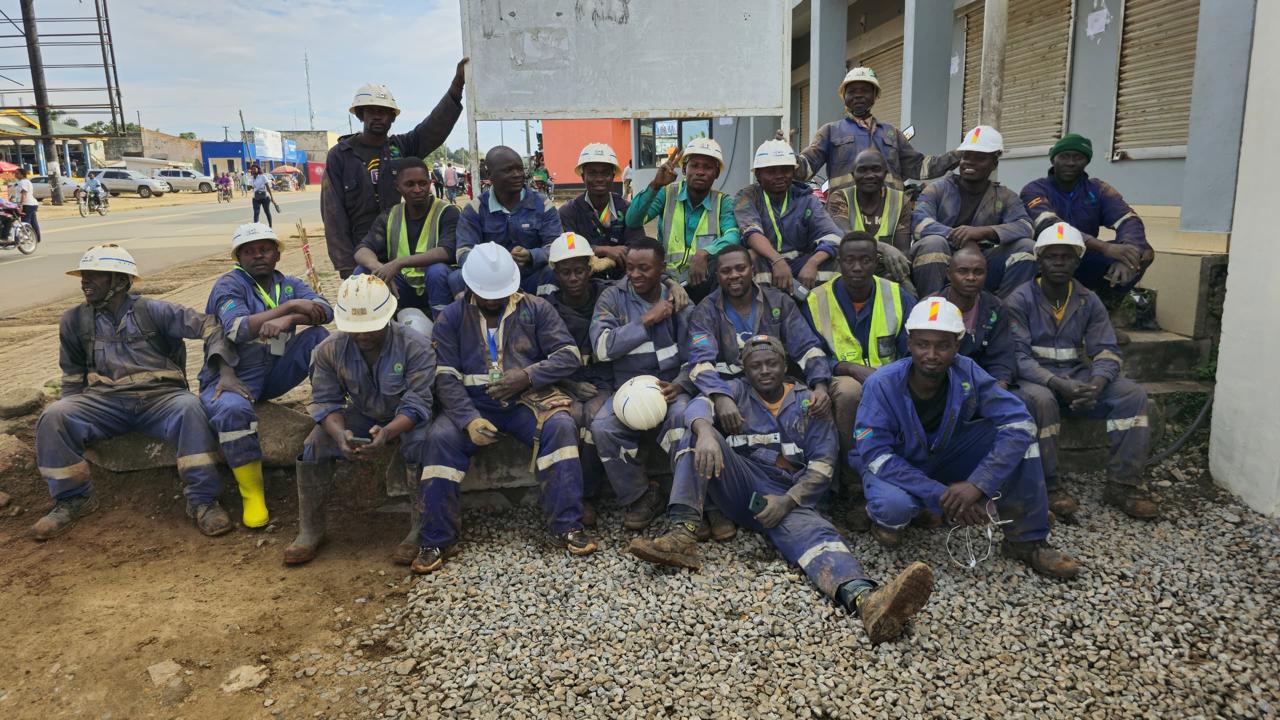
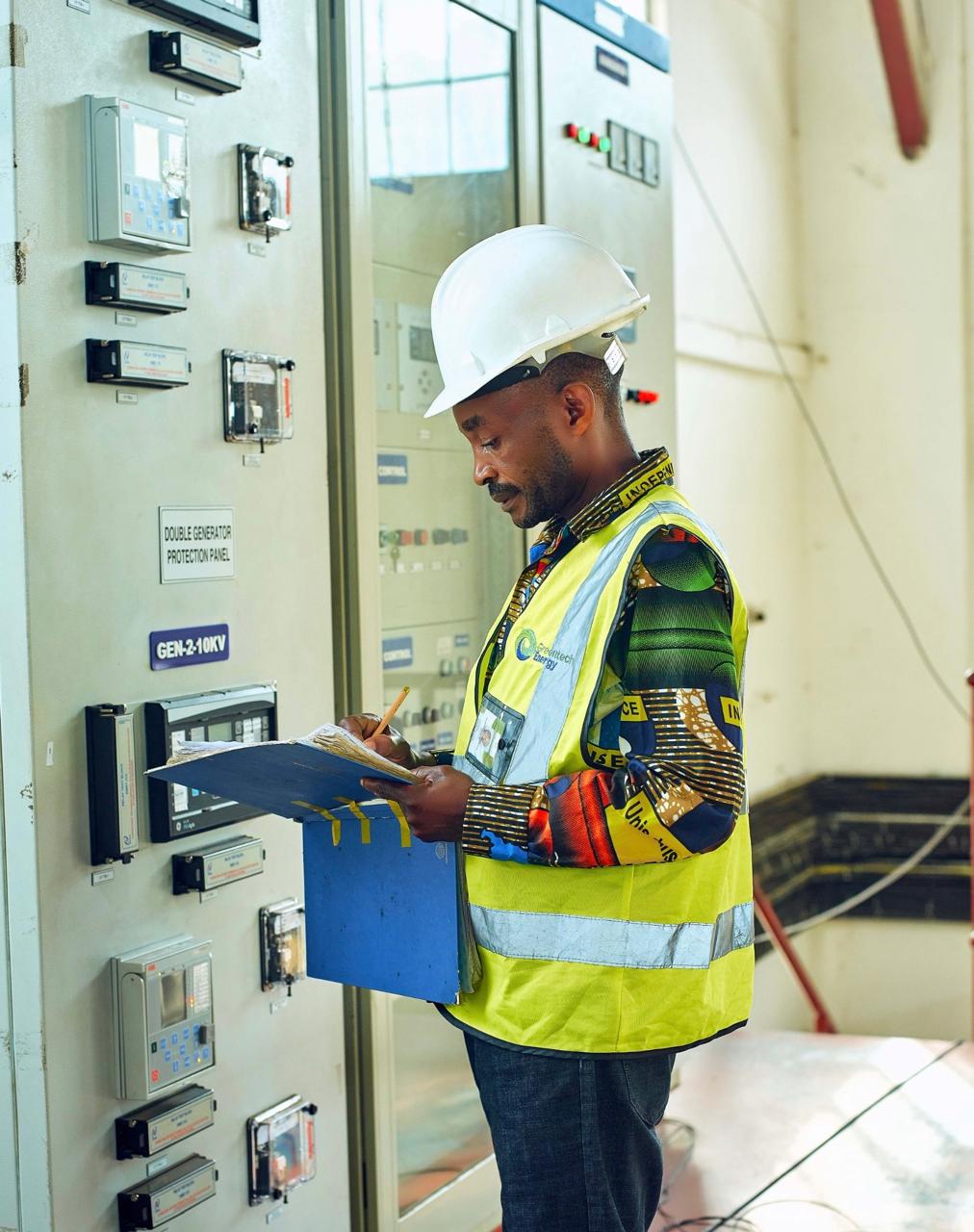
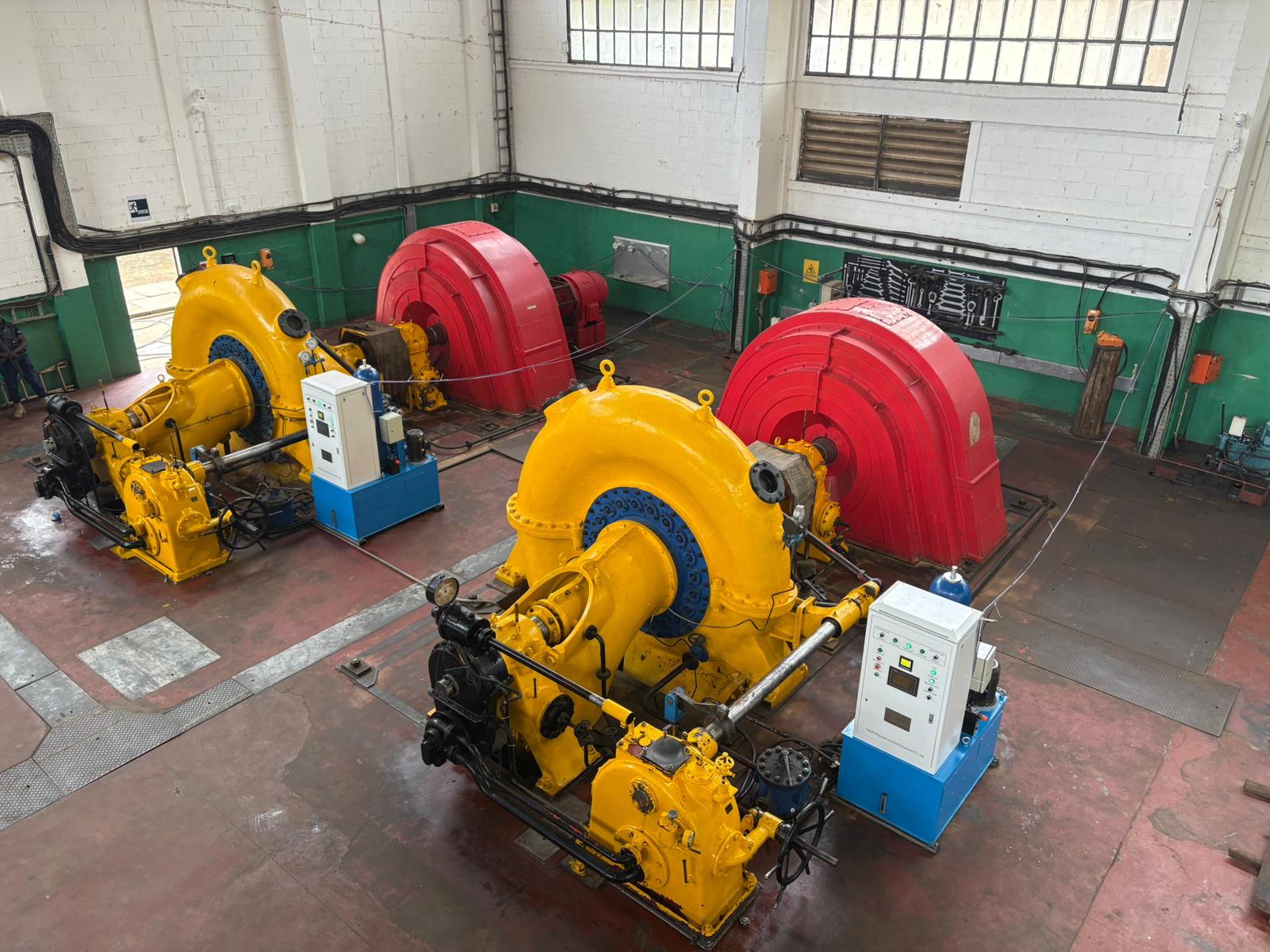
Both turbines at Budana were brought to full operational condition by our engineering team on site in Bunia, without nearby workshops or supply chains. The first, barely generating on our arrival, was overhauled to its rated 2.45MW; the second was fully refurbished in parallel. Alongside the machines themselves, a complete upholstery of the synchronisation and measuring equipment was necessary. Both units were synchronised to the grid in September 2025, delivering 4.9MW of continuous baseload power. A third turbine, rated 6.5MW, is planned for refurbishment in late 2026 once funding is secured, more than doubling output at minimal incremental cost.
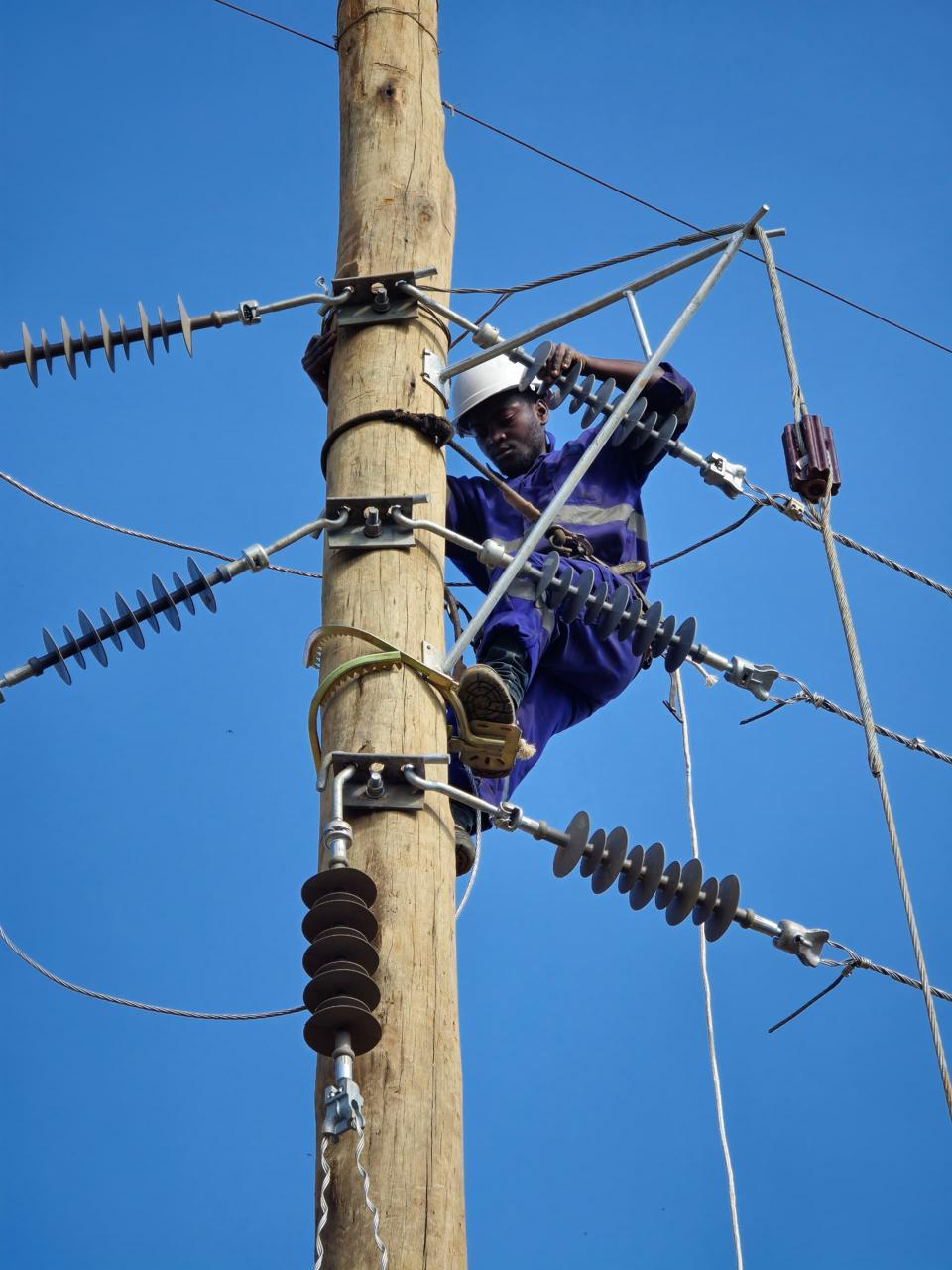
Restoring Budana meant rebuilding not just the generating machinery but the entire chain of infrastructure needed to get power from the turbine hall to the end customer. Decades of neglect had left cables deteriorated, switchgear degraded, and transformer infrastructure, both at the site and in town, in need of significant work. The grid itself had to be rebuilt.
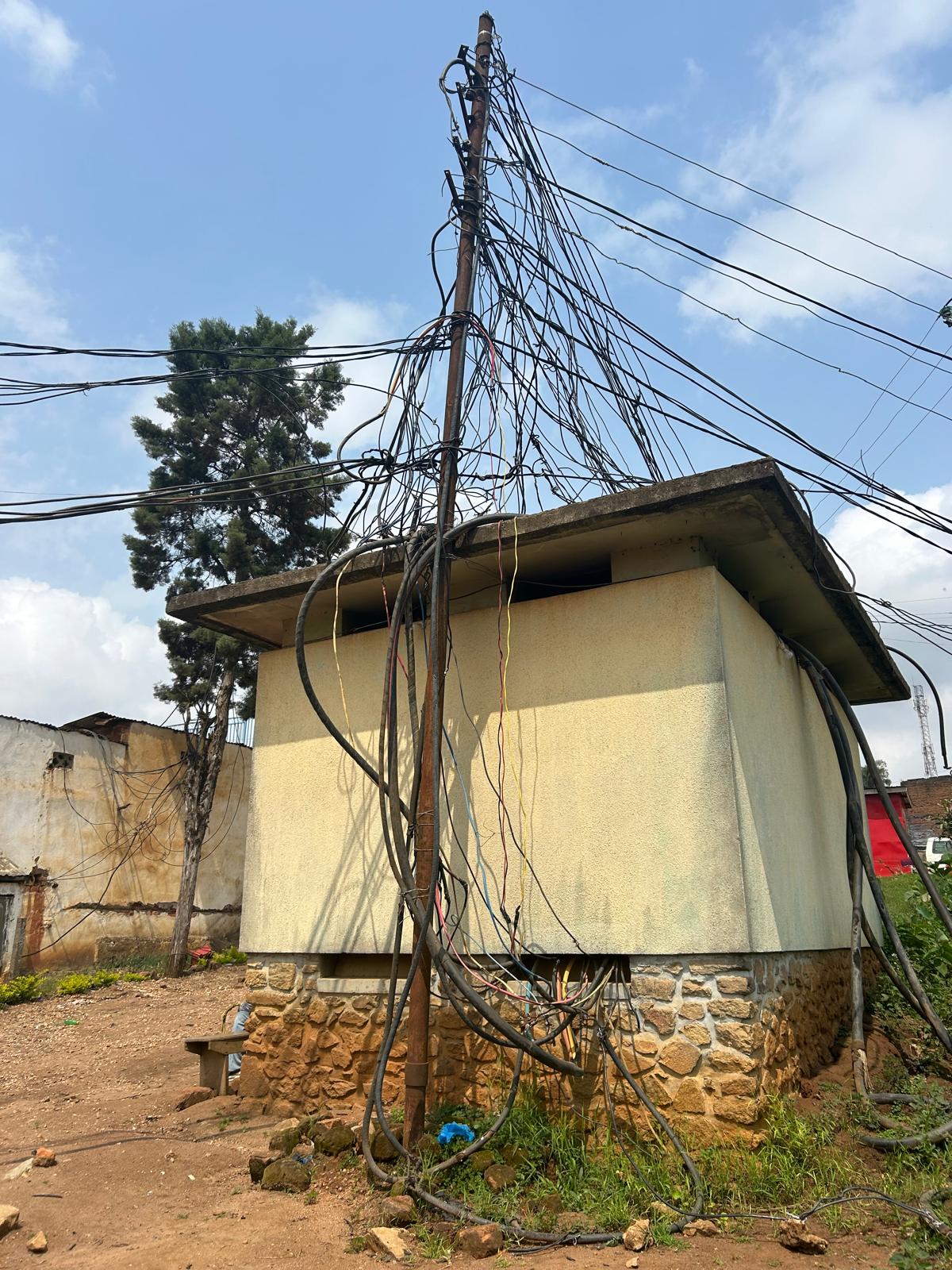
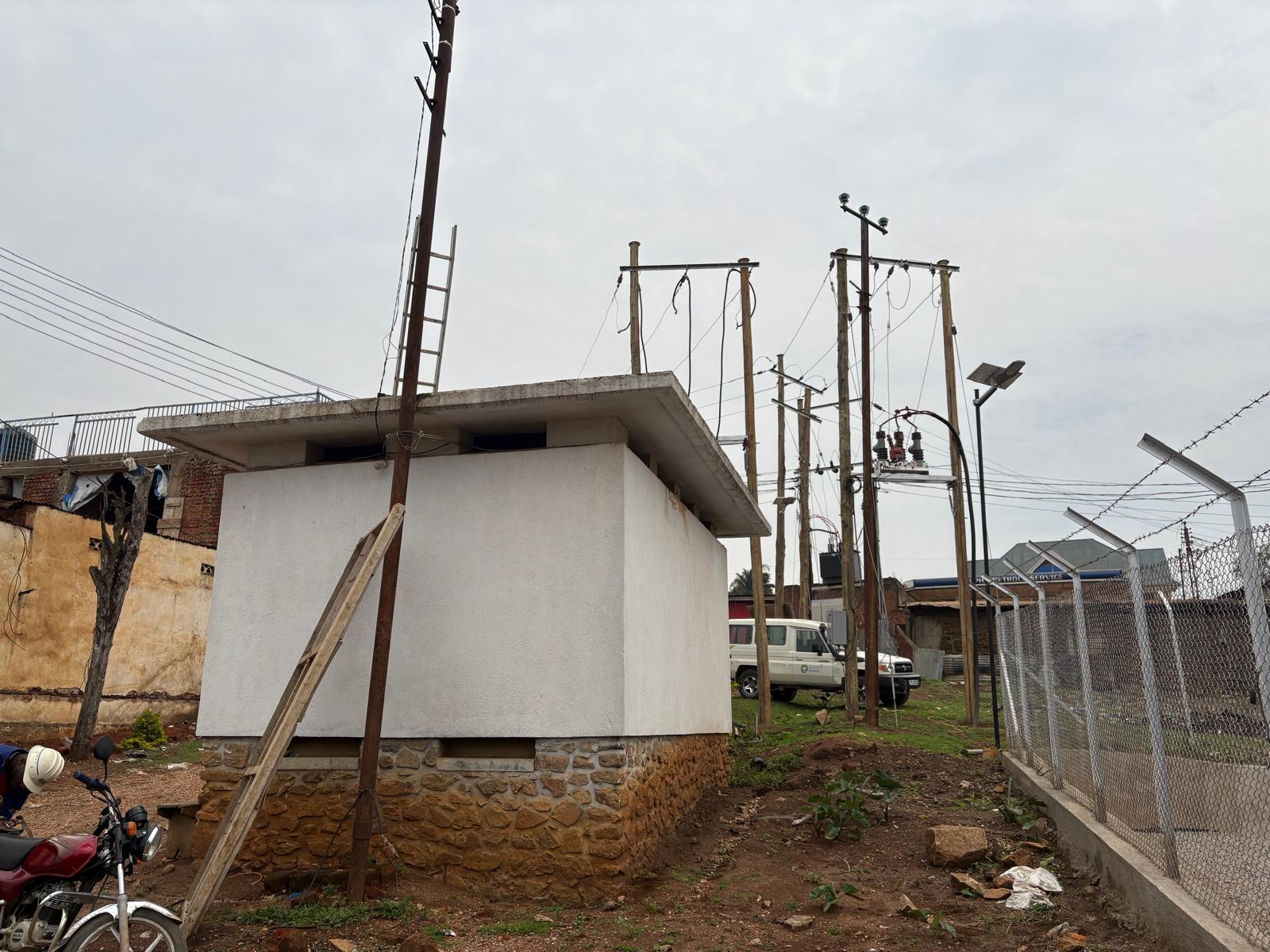
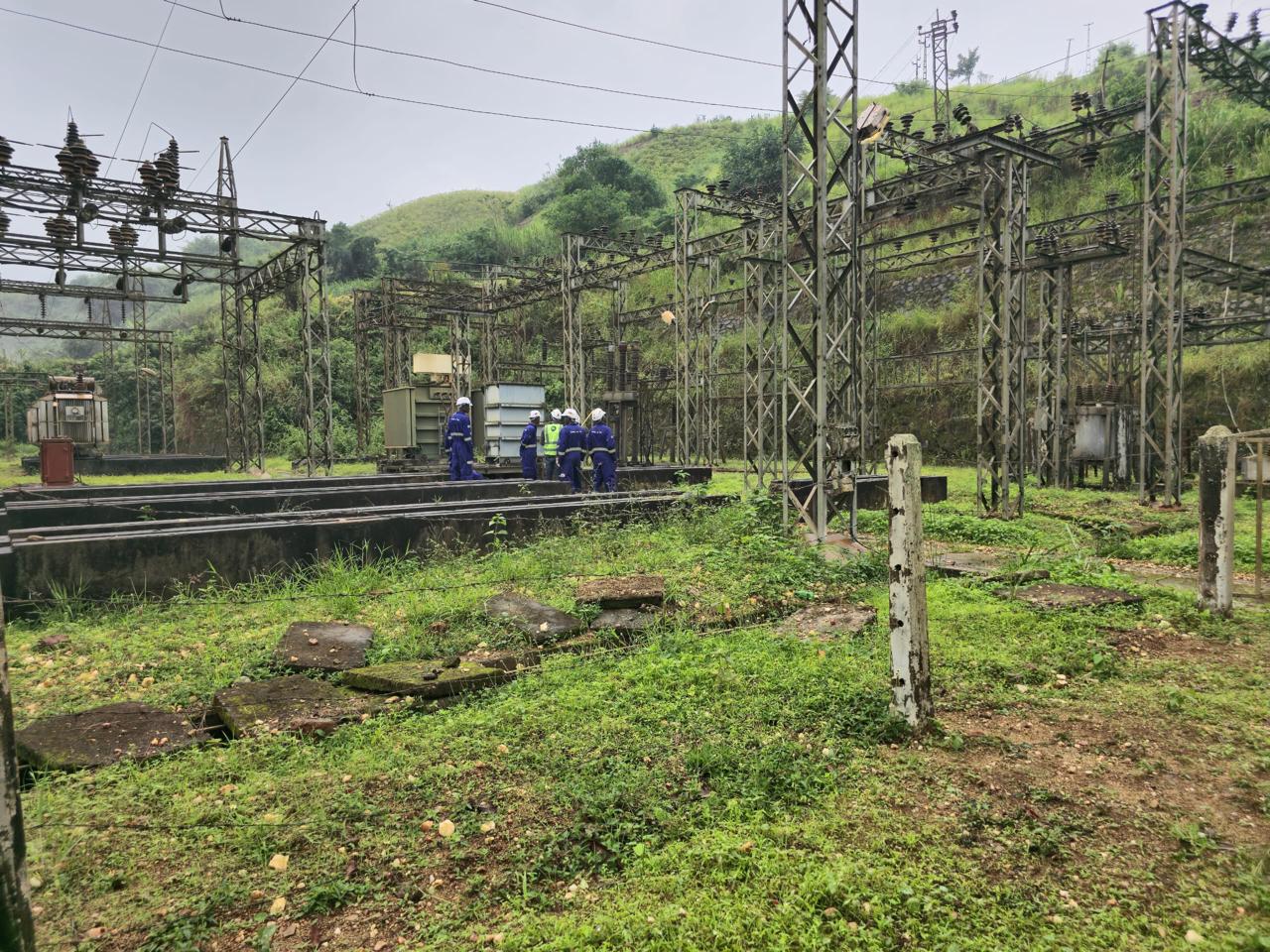
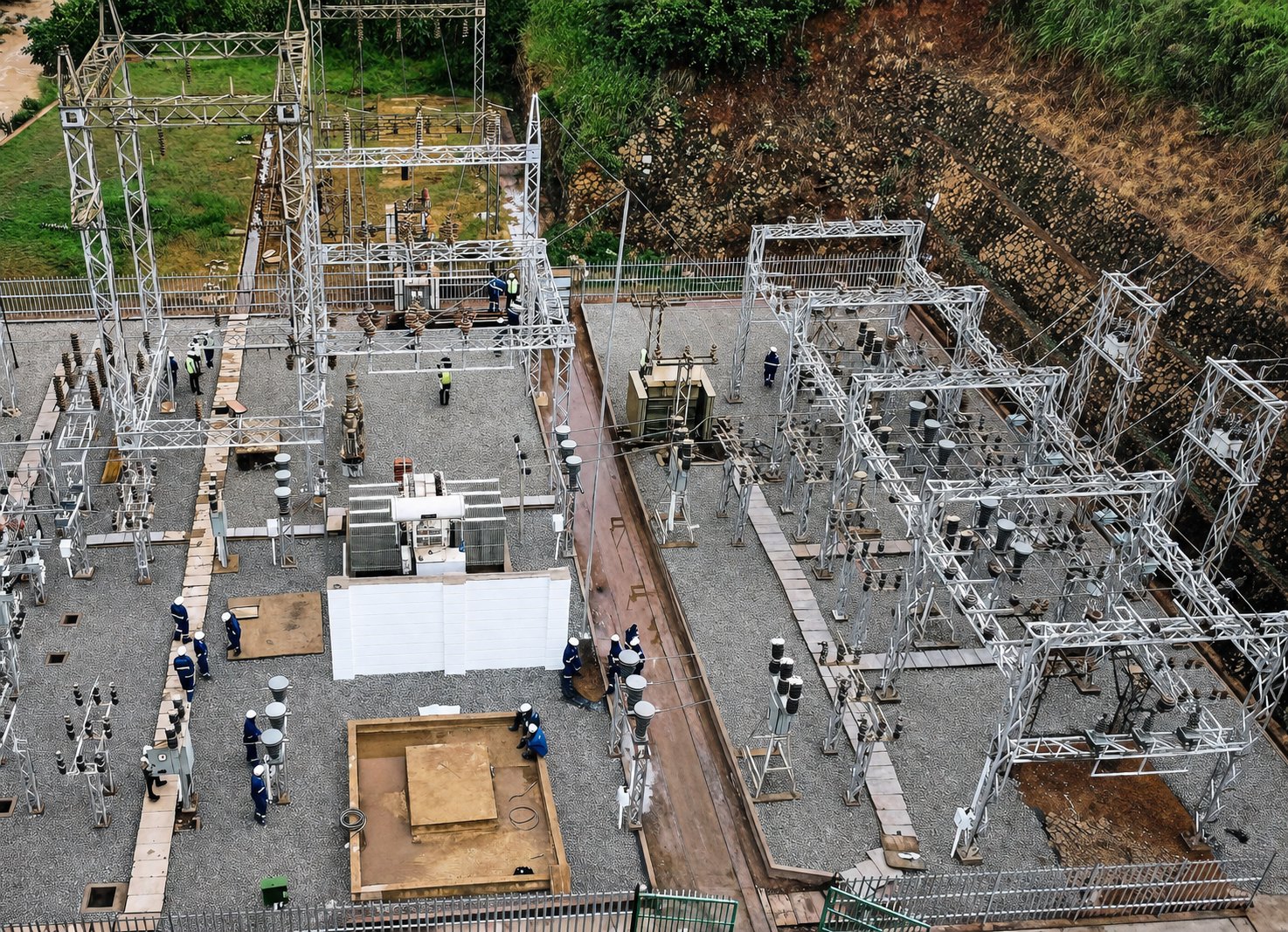
The distribution network serving Bunia was rebuilt from the ground up: new cables, restored poles and connections across the city.
Pre-paid smart meters ensure every unit delivered generates revenue. Customers buy credit in advance, so there are no collection losses. This model is central to the project's economics.
Step-up transformers at Budana and step-down substations in town were both restored and returned to service.
September 2025
Both turbines overhauled to rated output, full grid rebuild, 5,000+ pre-paid meters billing in USD, delivered at roughly one-third of new-build cost.
Late 2026 · subject to funding
The third turbine at 6.5MW is planned to enter refurbishment in late 2026, once funding is secured, more than doubling output. Civil works and grid connection are already in place.
2028
8MW of solar and 32MWh of battery storage added to the site, taking peak capacity to 19.4MW and improving dispatchability.
The Congo basin holds some of the world's greatest untapped hydropower potential, yet only a fraction of the country's historic generating stations remain operational today. A great number lie dormant, with dams, intakes, penstocks and other civil infrastructure still largely intact. The barrier, therefore, is not hydrological but operational; VerdAfrique has proven itself capable of overcoming such challenges, and is uniquely positioned to pursue further opportunities.
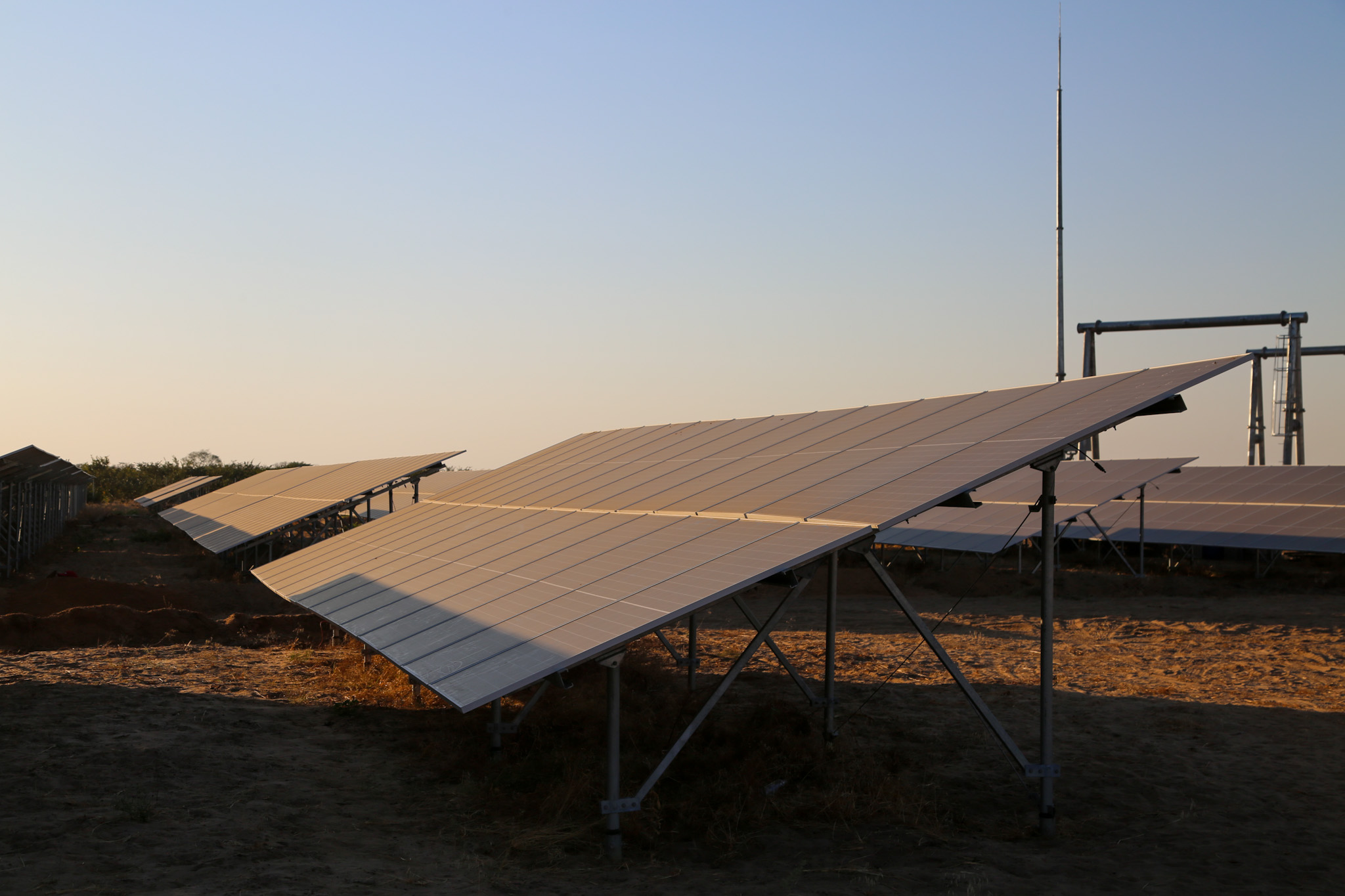
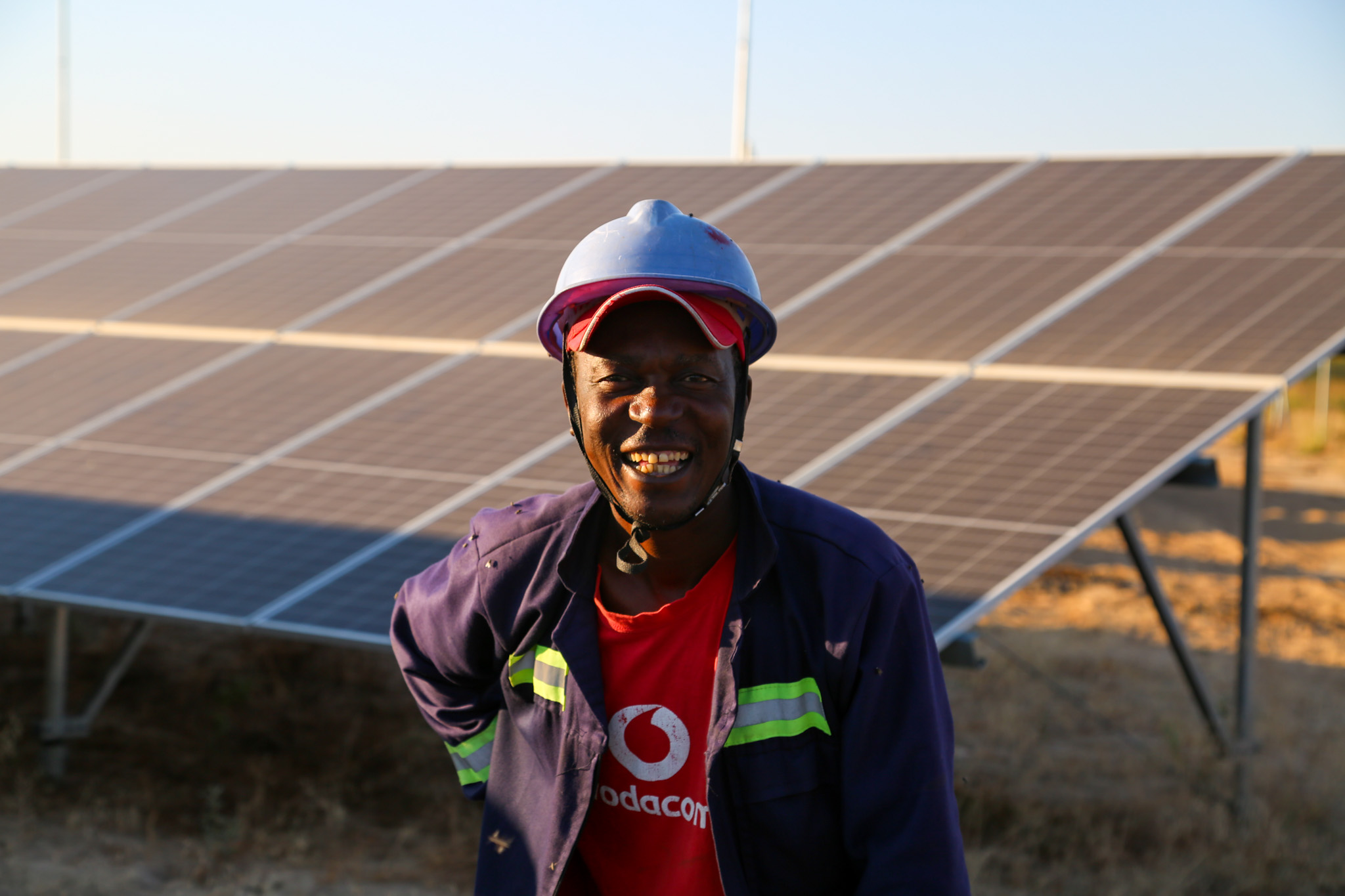
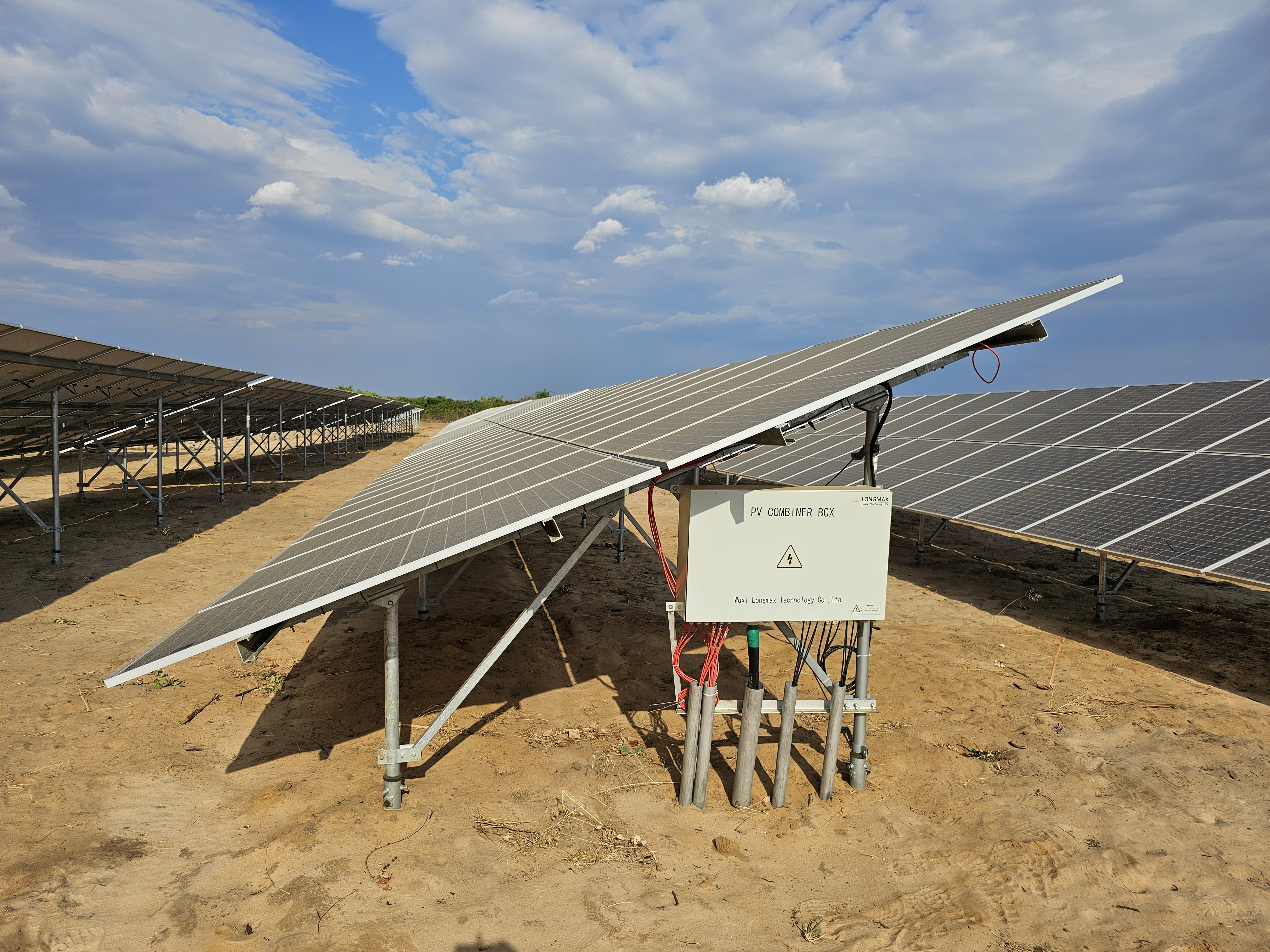
Power Ventures is developing the Victoria Falls Solar Park, a utility-scale PV facility near Victoria Falls Airport. The first 5MW phase is expected online in September 2026; the project is licensed for 100MW in total, built in three tranches to full capacity by 2027/28.
All material permits are in place: the generation licence was issued in August 2019, environmental approvals are secured, and a long-term land lease is signed. The plant connects to the Hwange–Victoria Falls 88kV line via a loop-in less than half a kilometre from site. Offtake will be with industrial customers, who will pay in US dollars.
Southern Africa's solar irradiance is among the highest on the planet. The Victoria Falls site receives 7,735 MJ/m² per year, roughly 2,150 peak sun hours and more than double the UK's resource, translating directly into low levelised cost of energy and outstanding long-run yield.
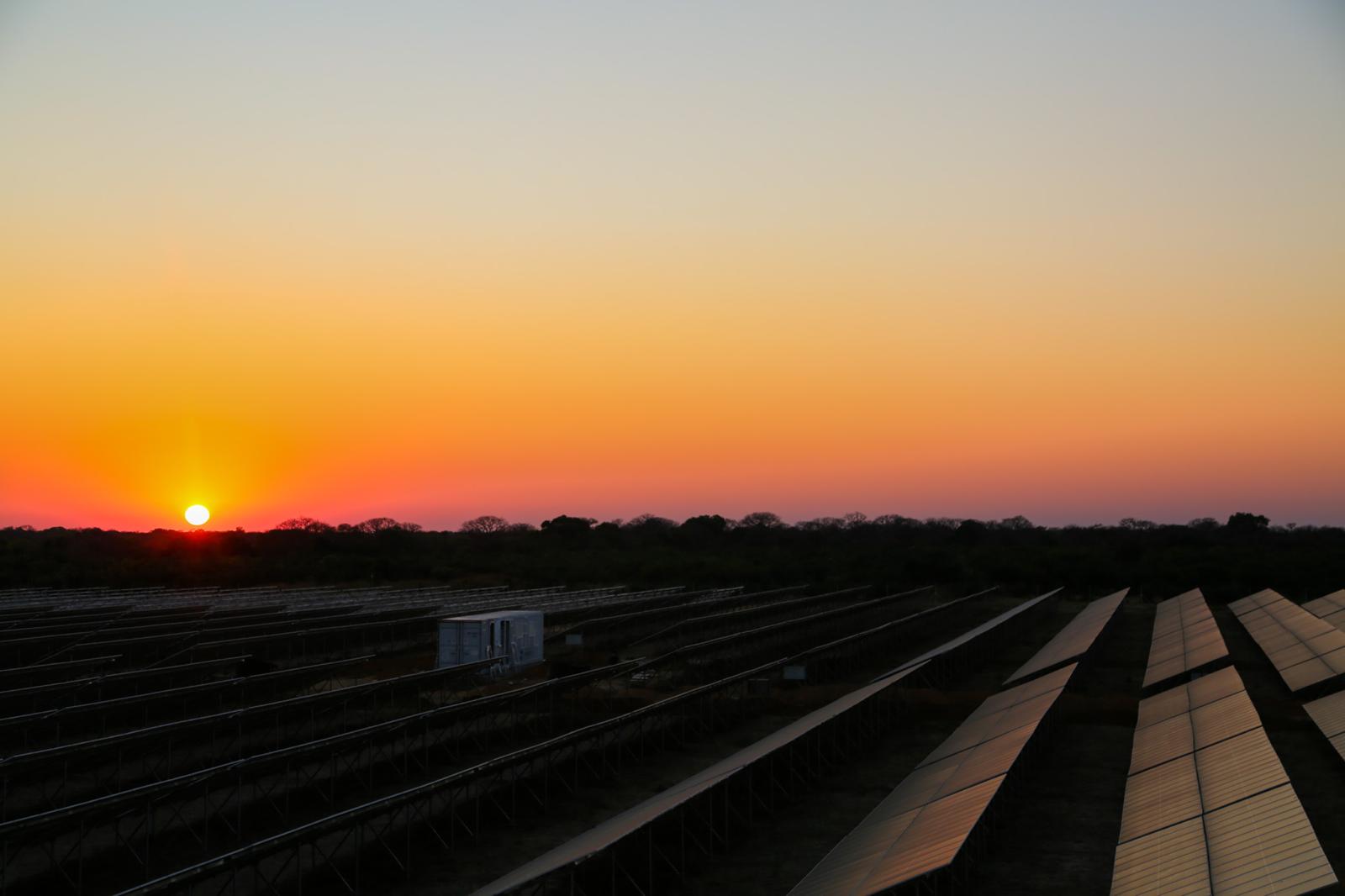
Expected · September 2026
5MW plant near Victoria Falls Airport. Sub-station funded by the EPC contractor; grid connection to the Hwange–Vic Falls 88kV line expected September 2026.
2026 / 27
Additional 20MW taking installed capacity to 25MW, building on Solar I's grid connection and site infrastructure to cut incremental cost per MW.
2027 / 28
Final 75MW tranche delivering the full 100MW licensed capacity, making this one of Zimbabwe's largest independent solar generators, with SAPP regional export potential.
Zimbabwe requires approximately 2,200MW against internal generation of around 1,300MW. The gap has persisted for decades: large baseload plants take years to build, and drought is reducing output from Kariba, the country's primary hydro source.
Industrial customers currently run diesel generators at significant cost. Selling to those customers in US dollars, the Victoria Falls Solar Park offers durable savings relative to self-generation, the kind of steady demand that anchors the project for the long term. Demand extends beyond Zimbabwe: Zambia's Copperbelt faces chronic load-shedding, and Victoria Falls sits at the gateway to both markets via SAPP connectivity.
2,200MW demand against ~1,300MW domestic generation. Imports cover only part of the shortfall, at cost.
Roughly 2,150 peak sun hours, more than double the UK and ~25% stronger than southern Spain. More irradiance, lower cost per unit.
Phase 3 connects to the Southern African Power Pool, opening regional export across a harmonised 12-country trading platform.
Share your thoughts here. Investors, partners and press are all welcome.
Your message has been sent to the VerdAfrique team.
This website is for information only and does not constitute an offer of securities or an invitation to invest.