Solar PV · Zimbabwe

Power Ventures

Victoria Falls Solar Park · Victoria Falls, Zimbabwe
100 MW
Licensed capacity
5 MW
Operational · Solar I
15 yr
PPA term · USD-denominated
The Project

A 100MW solar park at one of Africa's most iconic sites

Power Ventures (Pvt) Limited is developing the Victoria Falls Solar Park — a utility-scale solar PV facility near Victoria Falls Airport, Zimbabwe. The first 5MW is operational and grid-connected, with the sub-station funded by the EPC contractor and grid connection completed May 2026. The project is licensed for 100MW in total, to be built in three tranches reaching full capacity by 2027/28.

All material permits are in place: the generation licence was issued in August 2019, environmental approvals are secured, and a long-term land lease on state land is signed. The plant connects to the Hwange–Victoria Falls 88kV transmission line via a loop-in loop-out connection less than half a kilometre from the site. Power Ventures is now seeking refinancing of Solar I and capital to fund the Solar II and III expansion programme.
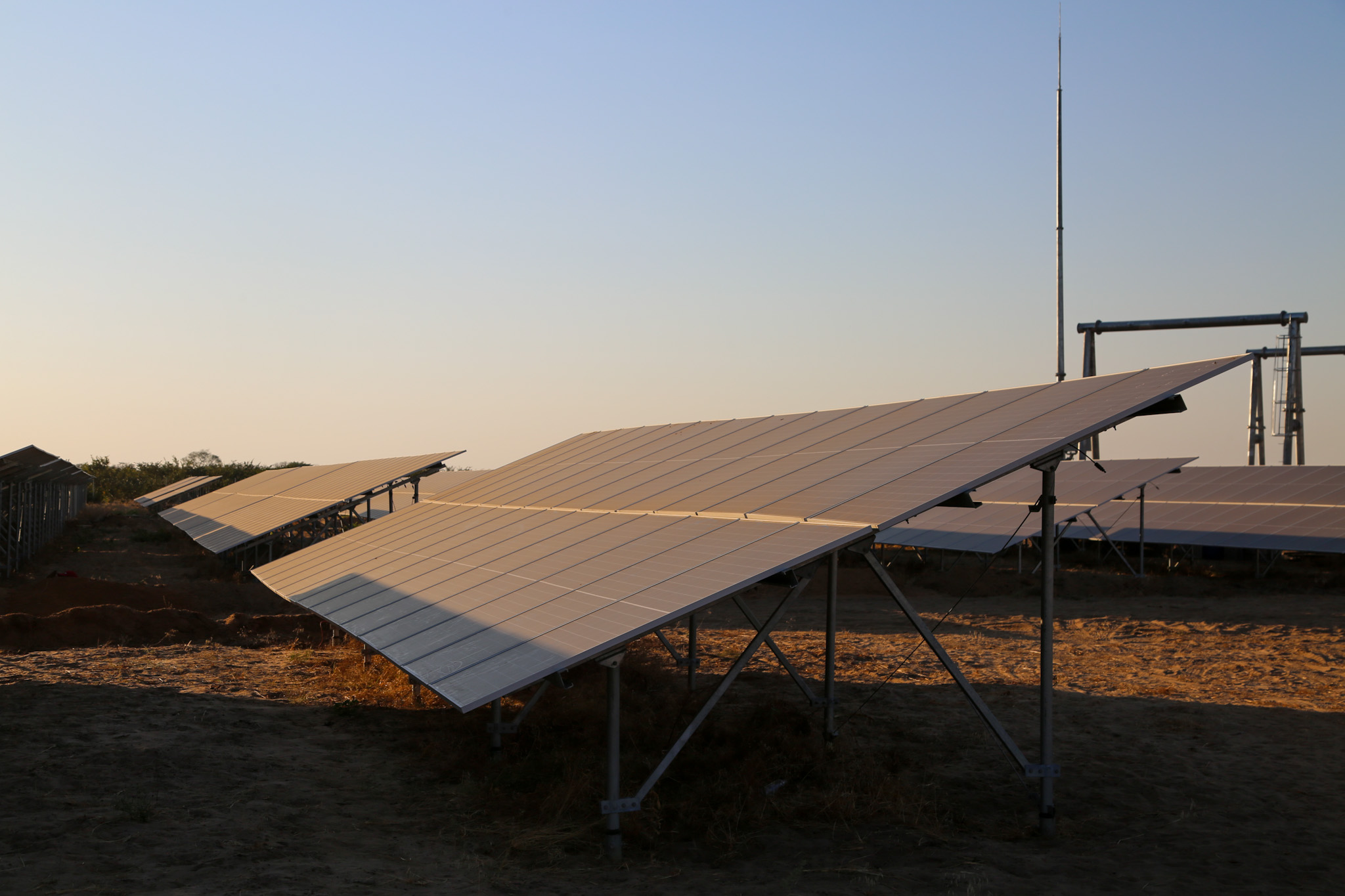
Victoria Falls Solar Park — ground-level array at dusk
TechnologyUtility-scale ground-mounted solar PV
Total licensed capacity100MW
Solar I (operational)5MW · grid connected May 2026
LocationNear Victoria Falls Airport, Zimbabwe
Grid connectionHwange–Vic Falls 88kV line (0.5km loop-in)
Generation licenceAugust 2019
O&MIn-house · 10-year term
Solar irradiance7,735 MJ/m² · year (annual average)
The Site

Built in one of the world's strongest solar corridors

Southern Africa's solar irradiance is among the highest on the planet. The Victoria Falls site receives 7,735 MJ/m² per year — a resource that translates directly into low levelised cost of energy and outstanding long-run generation yield.

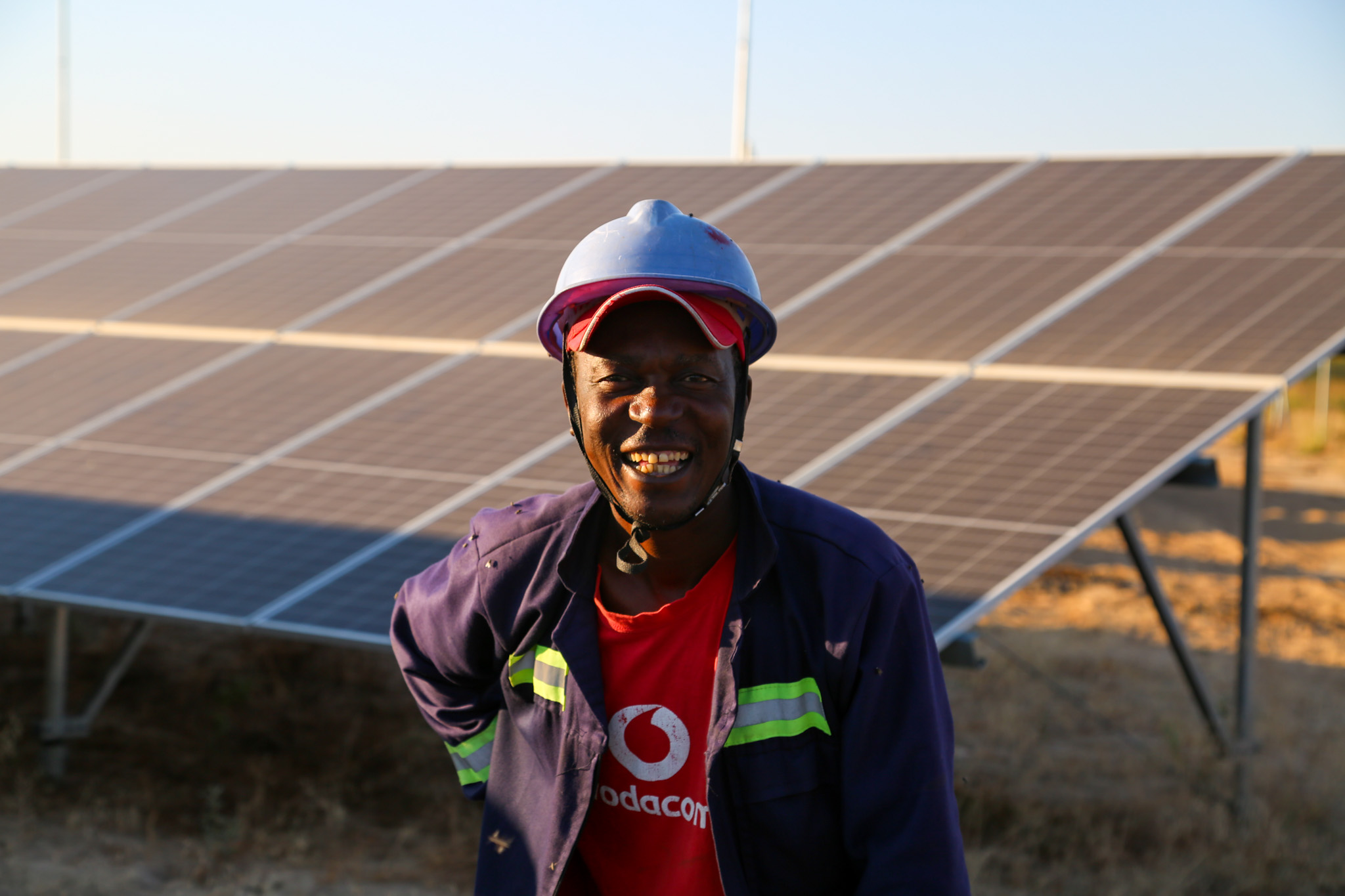
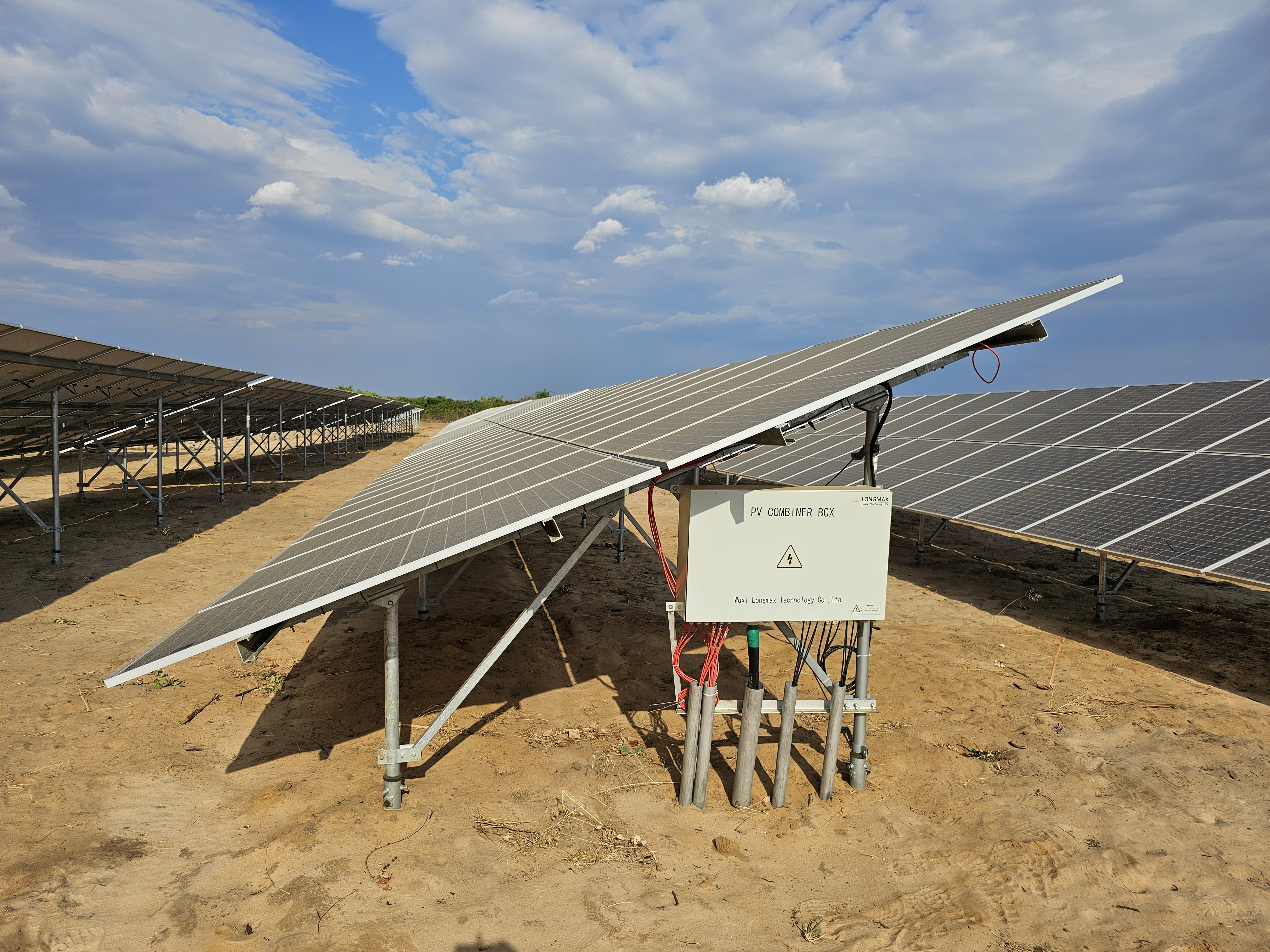
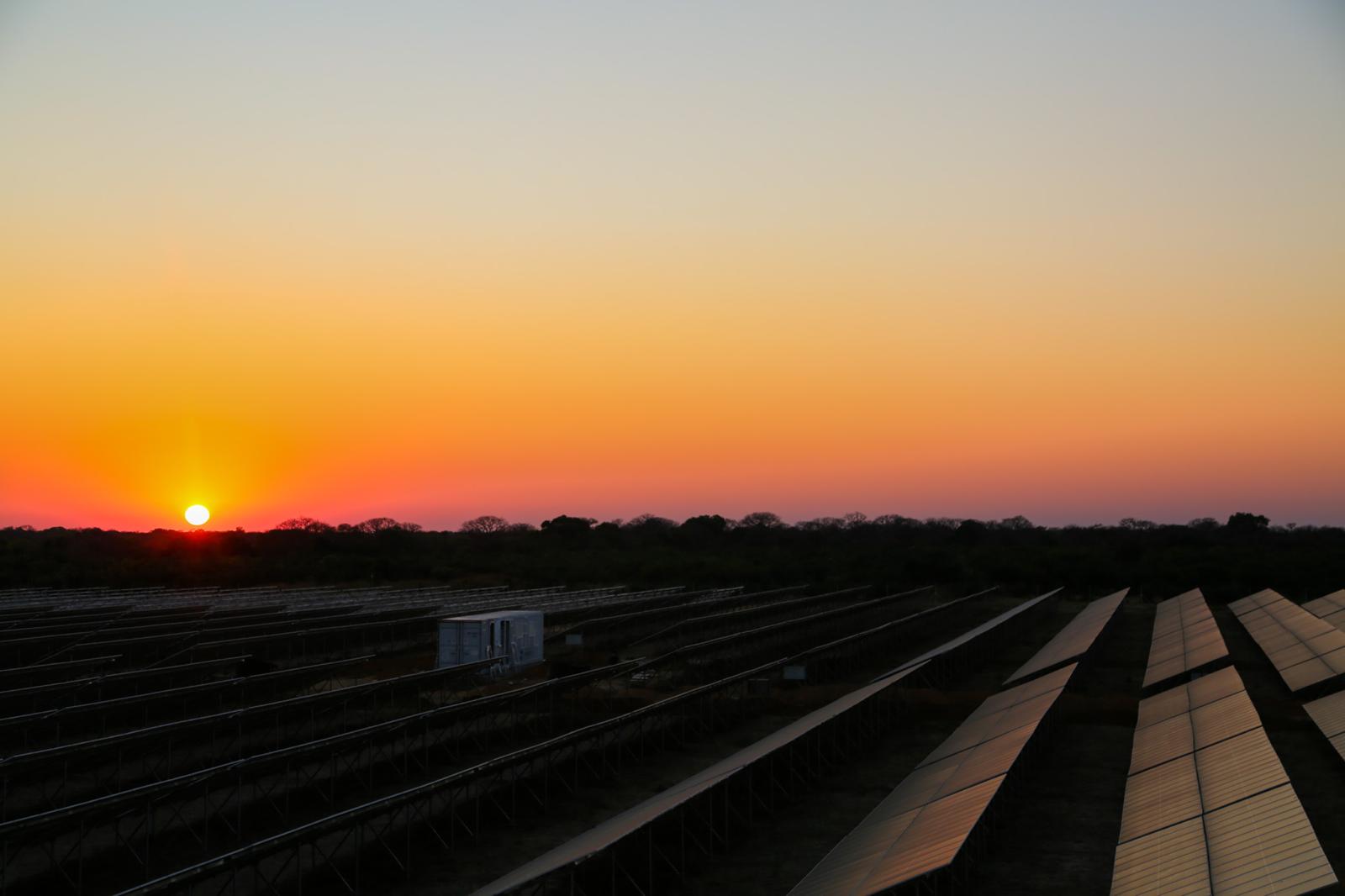
Victoria Falls Solar Park at sunset Site engineer PV combiner and array
Rollout

A phased path to 100MW

Solar I
5MW — Operational
Grid connected · May 2026

5MW plant near Victoria Falls Airport. Sub-station funded by EPC contractor. Grid connection to the Hwange–Victoria Falls 88kV line completed May 2026.

5MW Capacity
Operational
Solar II
+20MW Expansion
2026 / 27

Additional 20MW taking total installed capacity to 25MW. Builds on established grid connection and site infrastructure from Solar I, significantly reducing incremental cost per MW.

25MW Cumulative capacity
Planned
Solar III
+75MW Full Build
2027 / 28

Final 75MW tranche delivering the full 100MW licensed capacity. At scale, the Victoria Falls Solar Park becomes one of Zimbabwe's largest independent solar generators, with SAPP regional export potential.

100MW Total licensed capacity
Pipeline
Market Context

Zimbabwe's power deficit is structural

Zimbabwe requires approximately 2,200MW against internal generation of around 1,300MW. The gap has persisted for decades and is unlikely to close quickly — large baseload plants take years to build, and drought is reducing the output of Kariba, the country's primary hydro source.

Industrial customers are currently running diesel generators at significant cost. Under a long-term USD PPA, the Victoria Falls Solar Park offers substantial, durable savings relative to self-generation — creating the kind of offtaker commitment that underpins long-run project finance.

The demand picture extends beyond Zimbabwe's borders. Zambia's Copperbelt — one of the world's great copper mining regions and among the continent's most power-intensive industrial corridors — faces chronic load-shedding as drought compounds a decade of underinvestment in generation. Victoria Falls sits at the gateway to both markets, with SAPP grid connectivity providing direct access to Zambian industrial demand at scale.

Zimbabwe Grid
900MW+ supply gap

2,200MW national demand against ~1,300MW domestic generation. Imports from South Africa and Mozambique cover only part of the shortfall, at cost.

Solar Resource
7,735 MJ/m²/yr irradiance

This is equivalent to roughly 2,150 peak sun hours per year — more than double the solar resource available in the UK and around 25% stronger than southern Spain. More irradiance means more electricity generated per panel and a lower cost per unit of energy produced. Southern Africa's solar resource is among the strongest on the planet.

Regional Grid
SAPP export access

Phase 3 connects to the Southern African Power Pool via a new 132kV line, opening regional export markets across a harmonised 12-country trading platform.

To discuss Power Ventures or request further information

contact@verdafrique.org