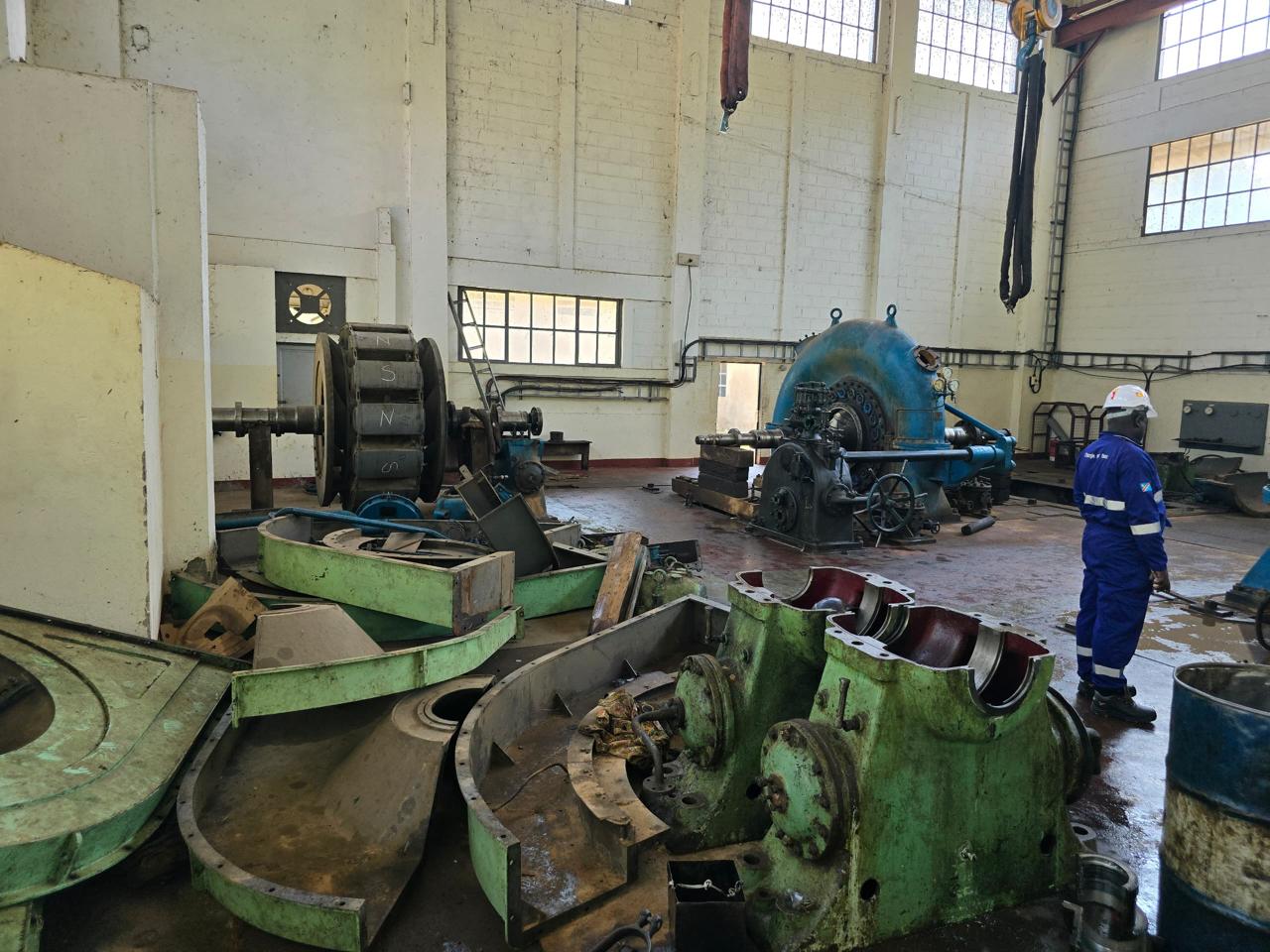
The Budana hydro station sits on the River Shari above Bunia, a city of over a million people in Ituri Province. The station's civil infrastructure — dam, penstocks, powerhouse — was built decades ago but had fallen into serious disrepair. When VerdAfrique arrived in 2024, one Francis turbine was technically operational but generating less than 1MW and in a poor state; the grid serving the city had deteriorated to the point where it was largely non-functional beyond the immediate vicinity of the station.
Greentech Energy S.A. holds the exclusive concession to refurbish, operate and sell power from the site, and is the only entity supplying electricity to Bunia's grid. Our approach has been capital efficiency from the outset: restoring proven assets rather than building new, paired with the metering and billing infrastructure needed to collect revenue reliably.
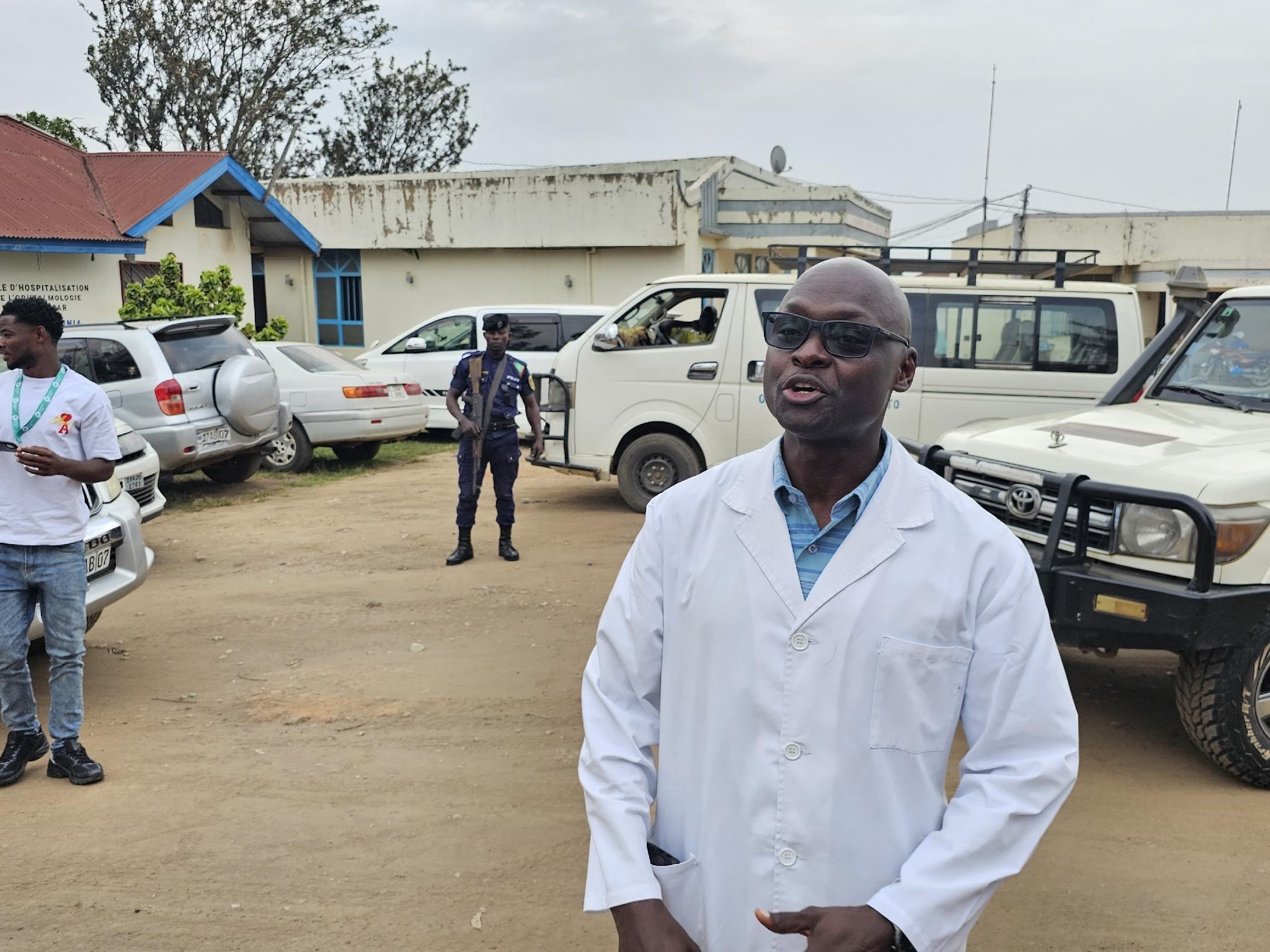
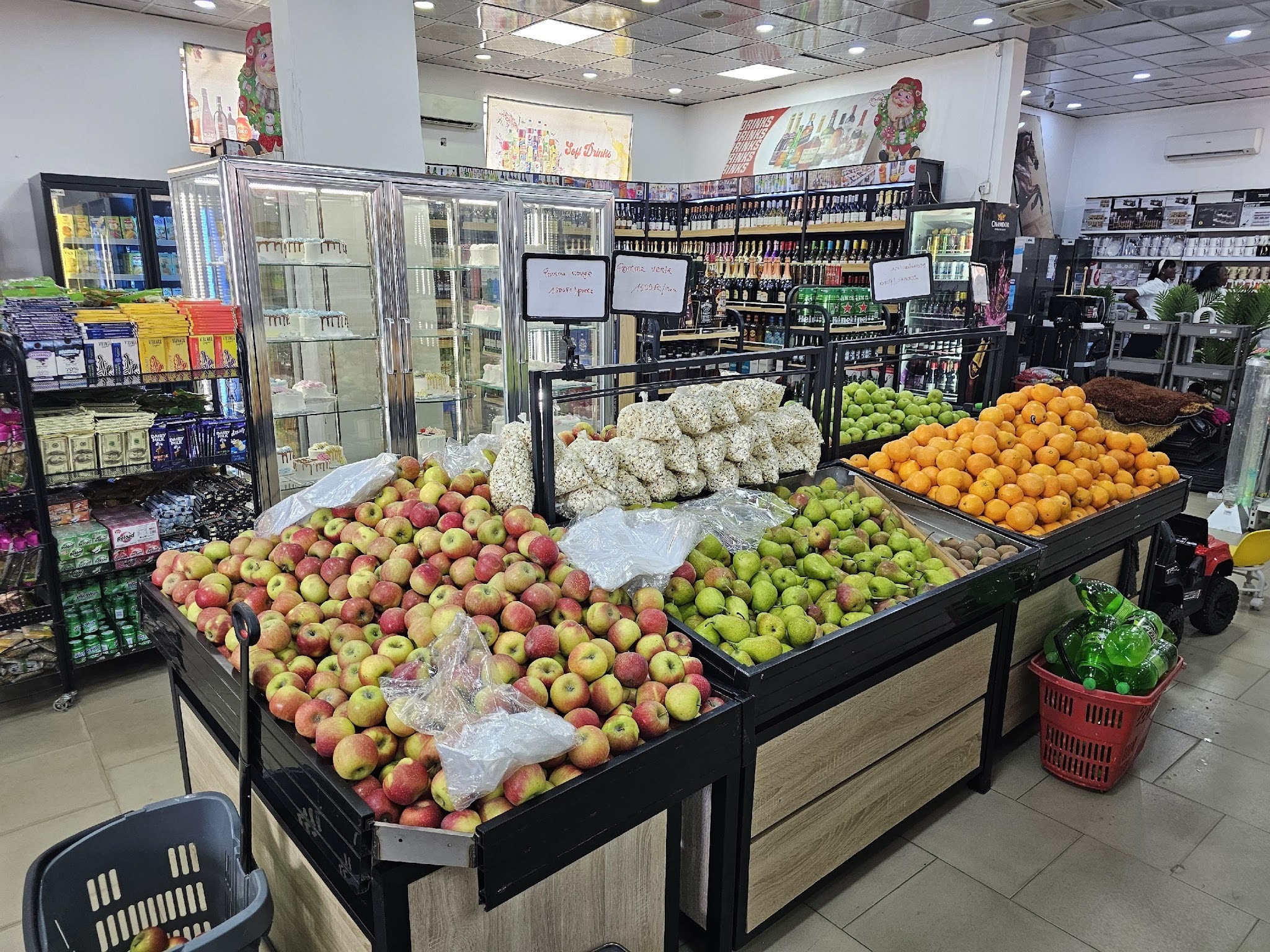
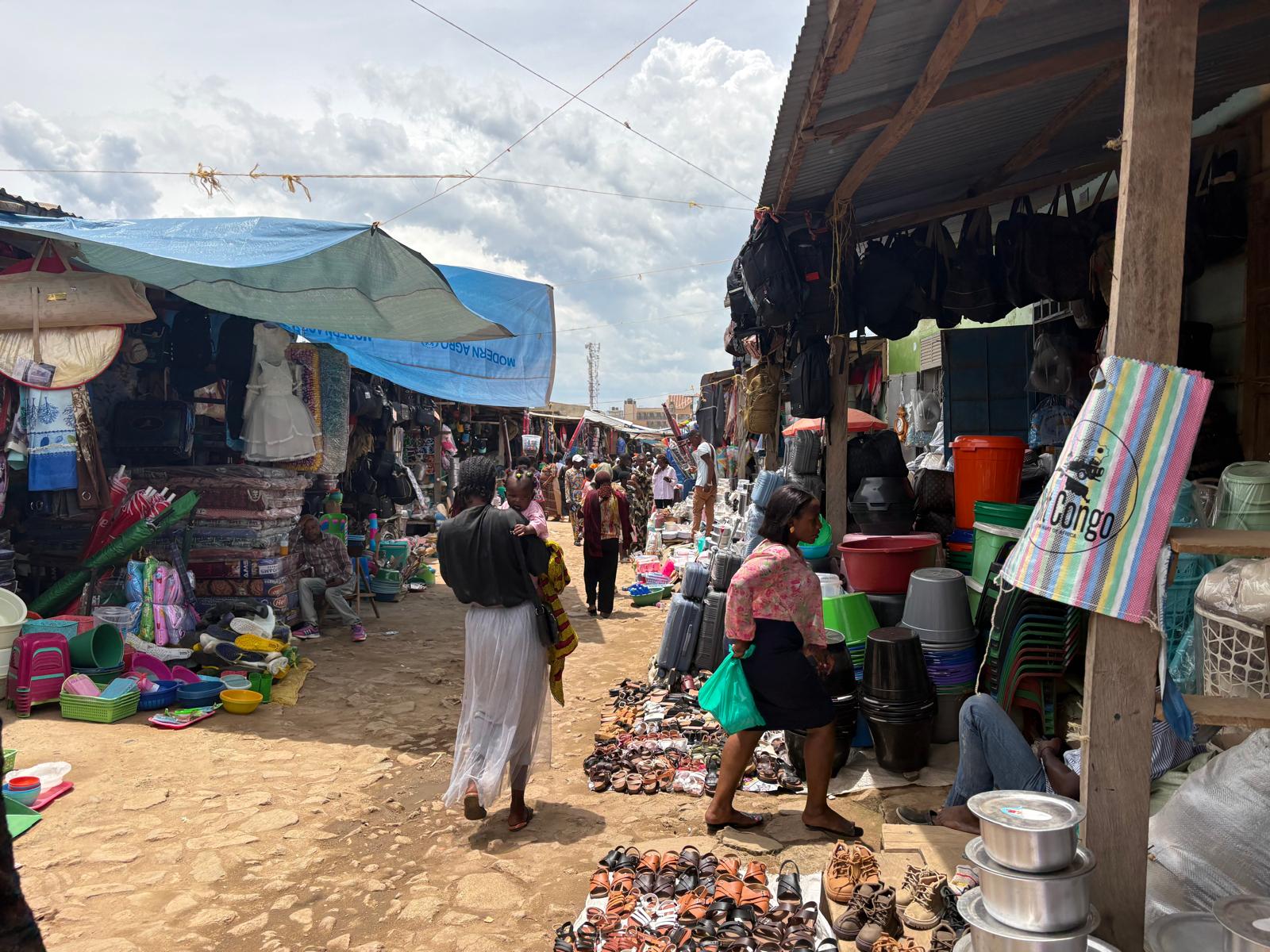
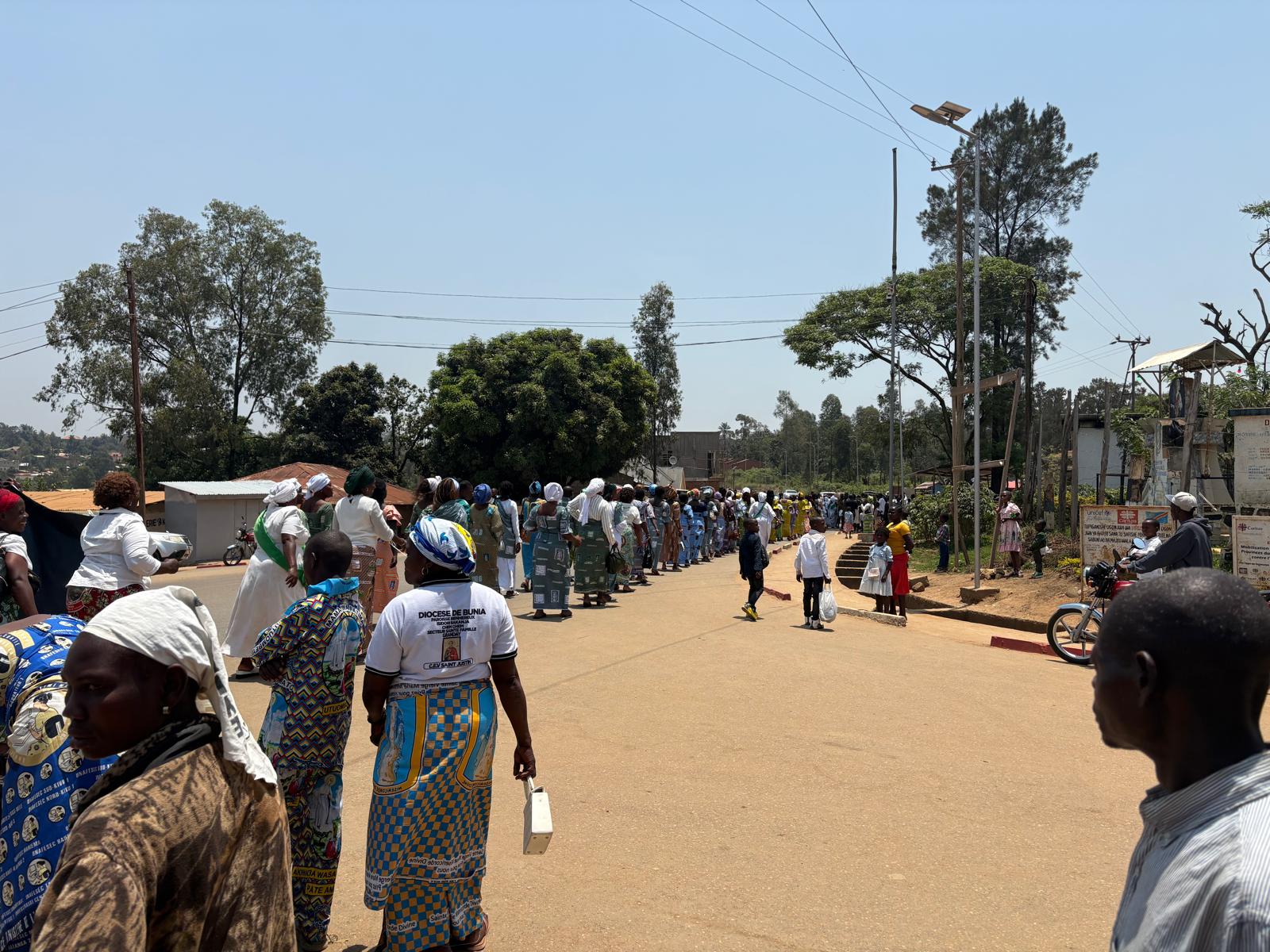
Before our arrival, Bunia's shops, hospitals and homes depended on expensive, polluting diesel generators — an unaffordable luxury for most. Clean grid power has changed that: doctors run diagnostic equipment, supermarkets keep refrigerated stock, streetlights run through the night, and commerce extends beyond dark. The cost of electricity has fallen to a fraction of what diesel charged.
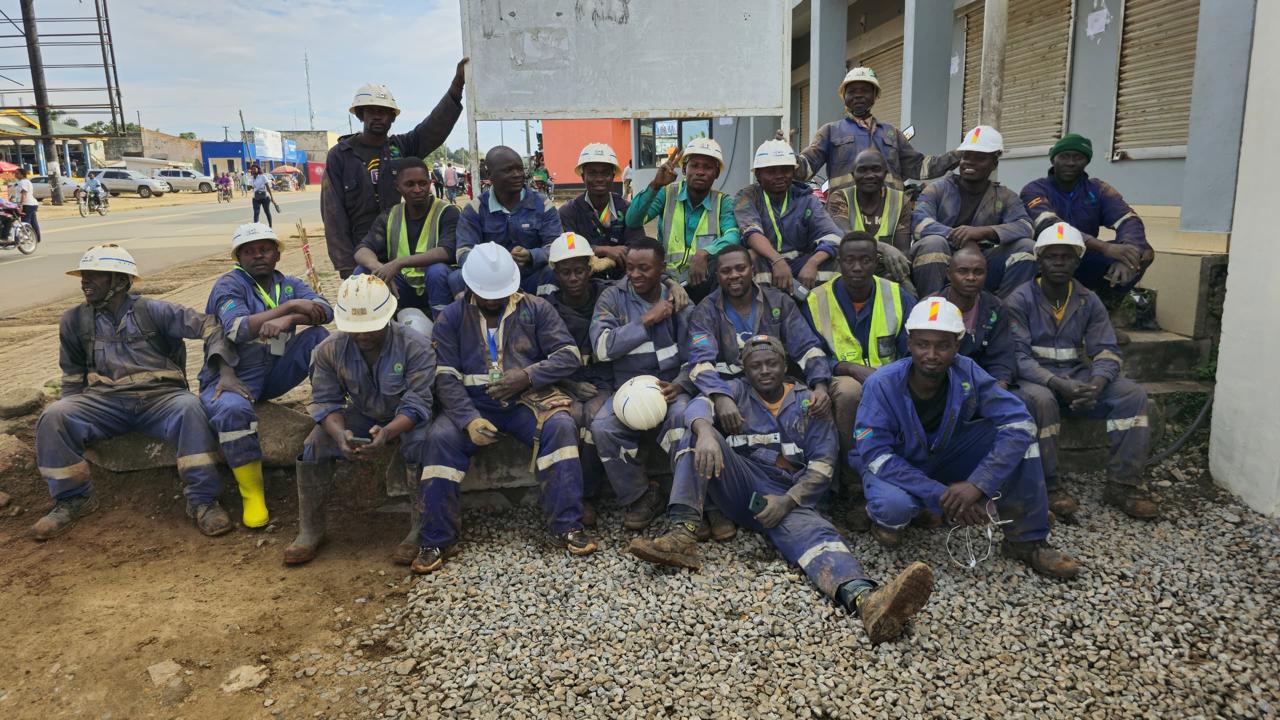
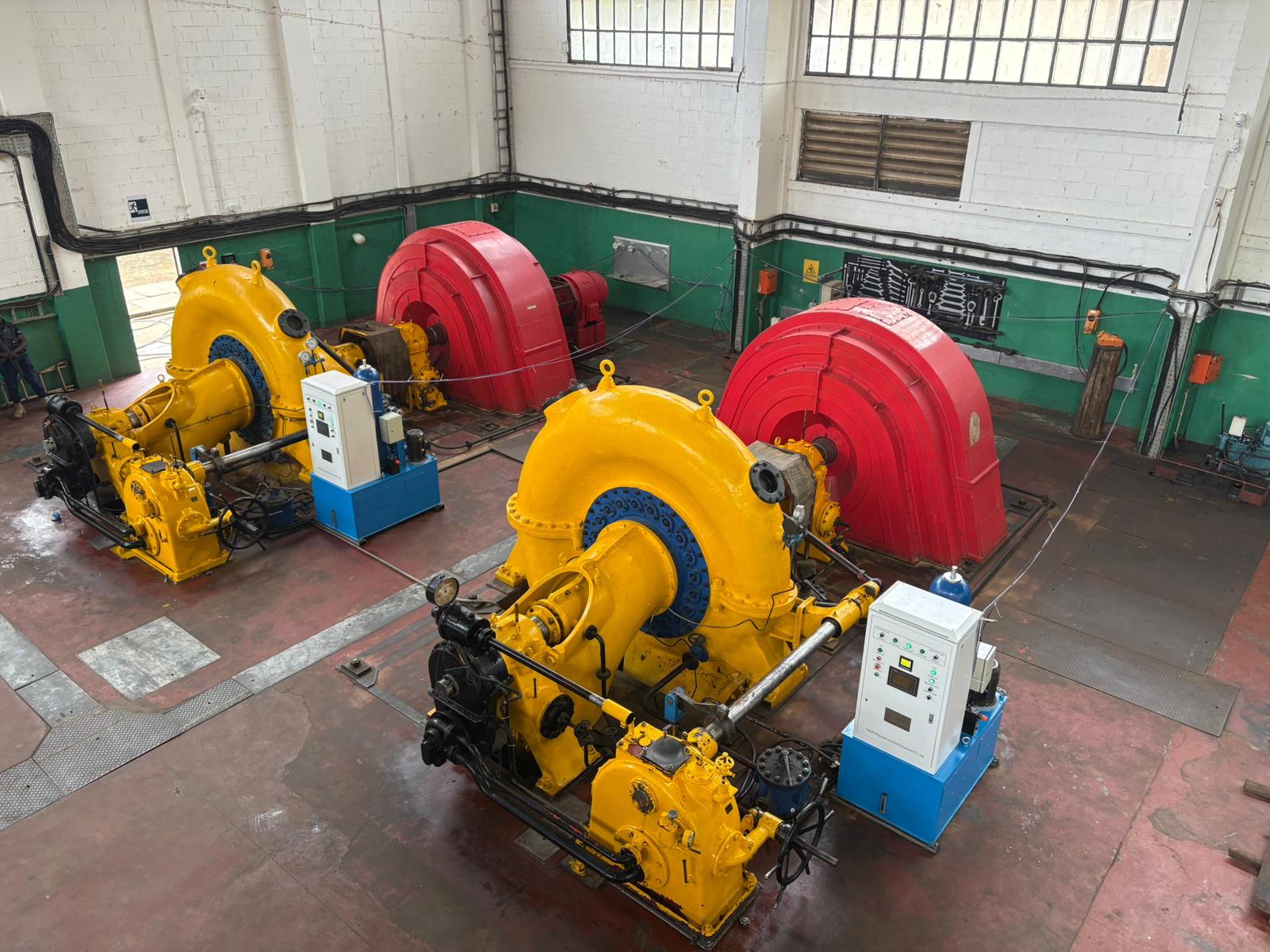
Both Francis turbines at Budana were brought to full operational condition by our engineering team working on site in Bunia — without nearby workshops, supply chains, or the kind of logistical infrastructure that would be taken for granted in other markets. The first turbine, already installed but barely generating on our arrival, was overhauled and brought to its rated output of 2.75MW. The second underwent full refurbishment in parallel. Both machines were synchronised to the grid in September 2025, delivering 5.5MW of continuous baseload power to the city.
A third Francis turbine — rated at 6.5MW — enters refurbishment in June 2026. When online it will more than double the station's output at minimal incremental cost; the civil works and grid connection are already in place.
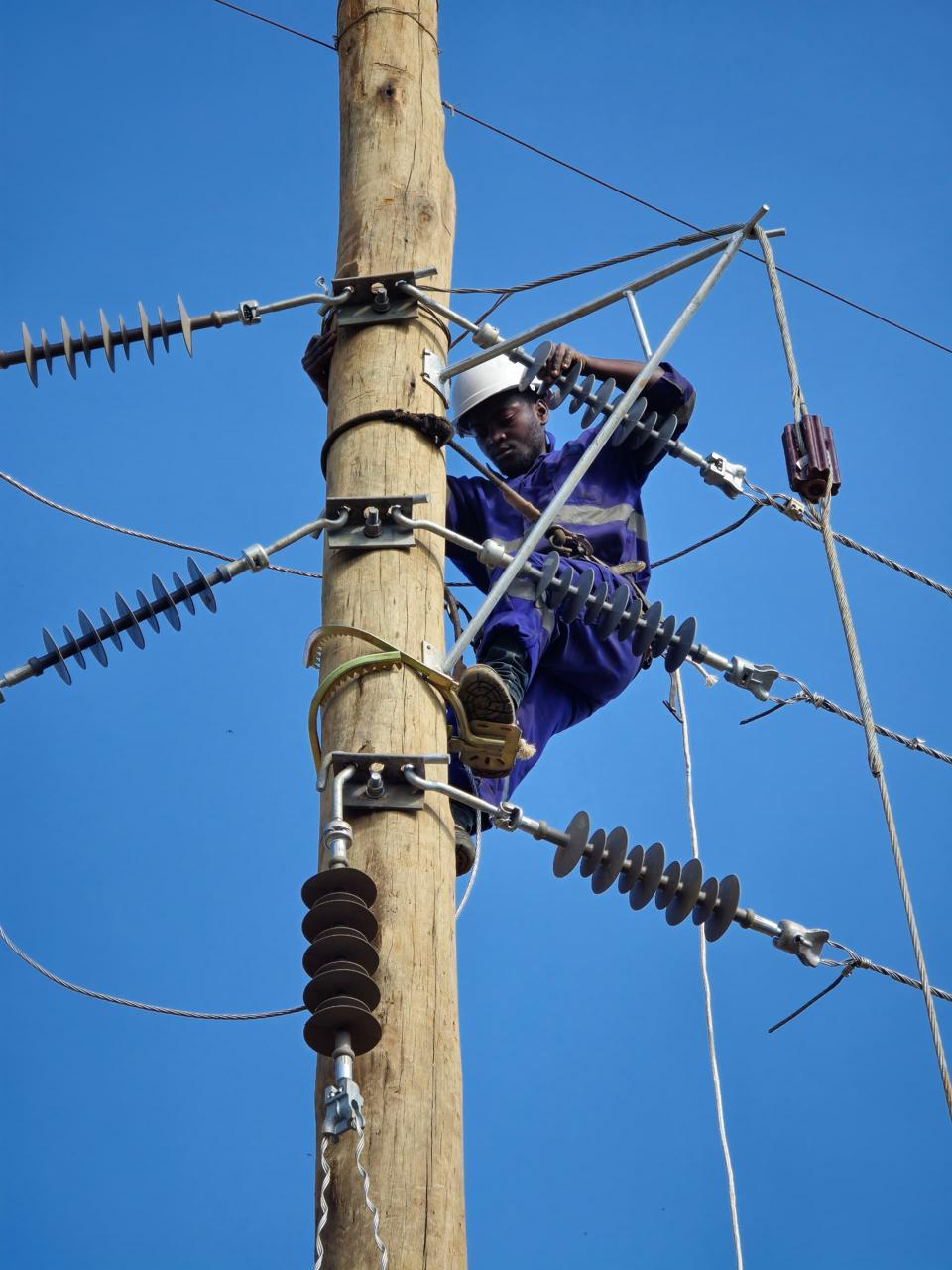
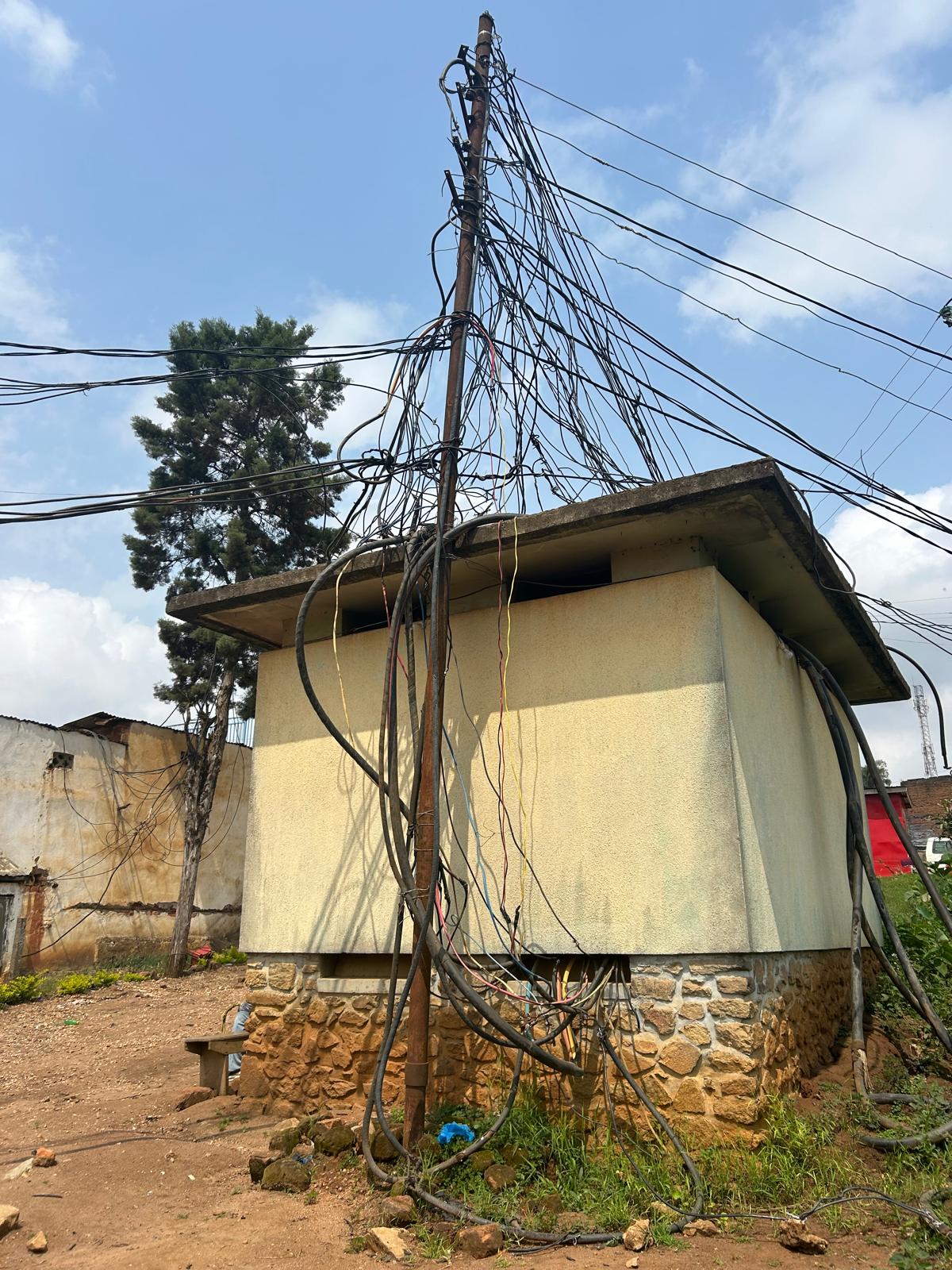
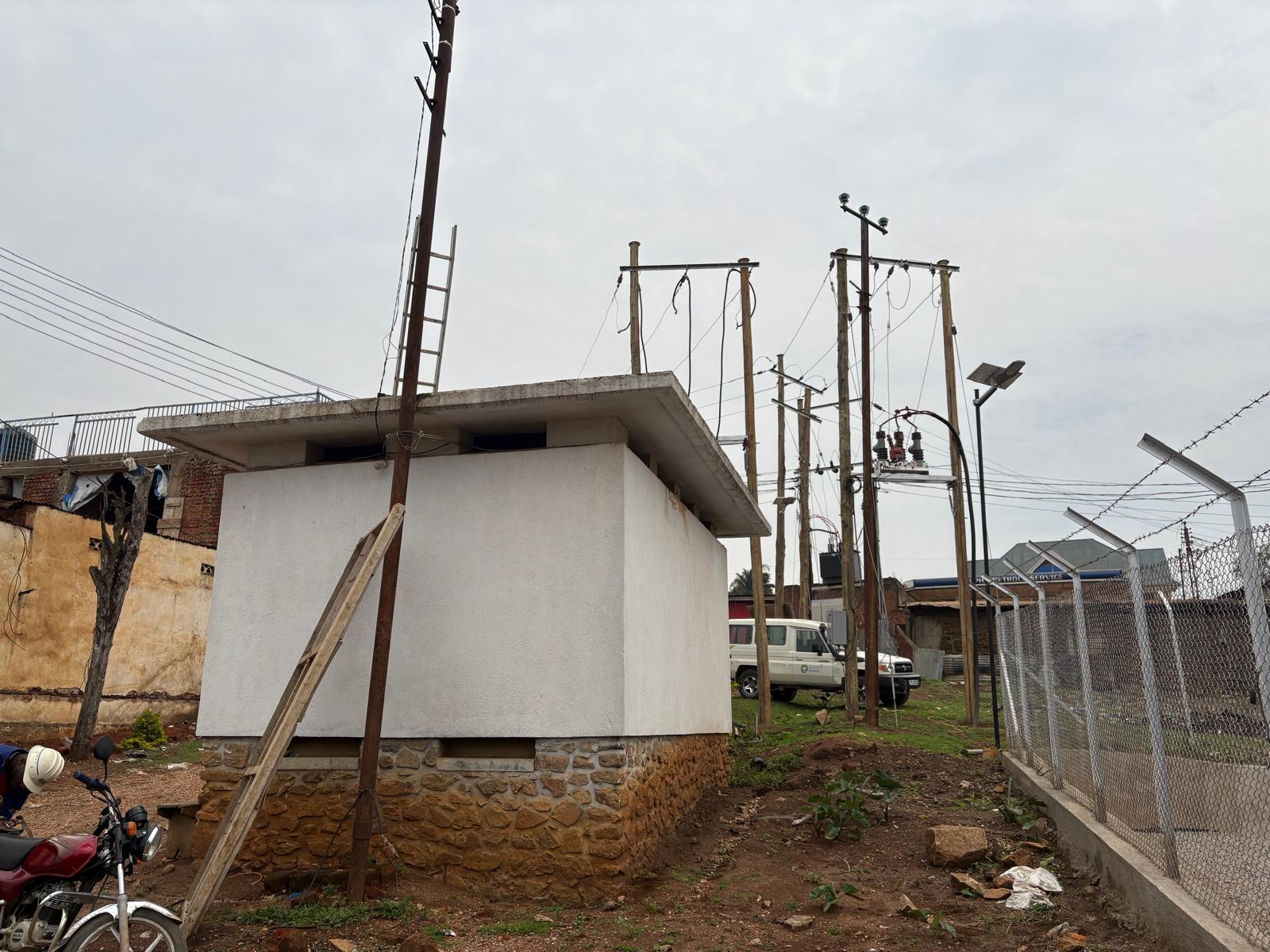
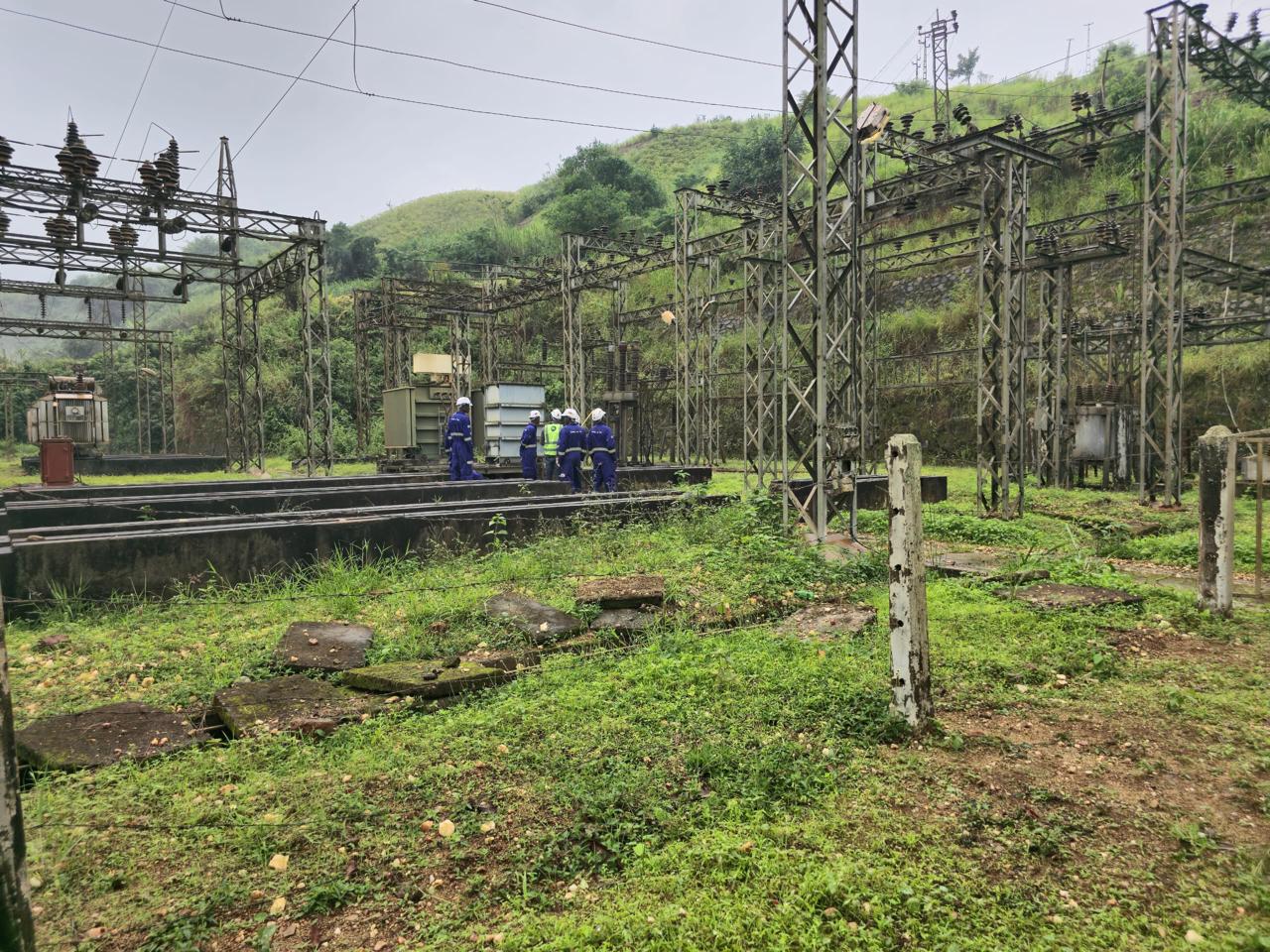
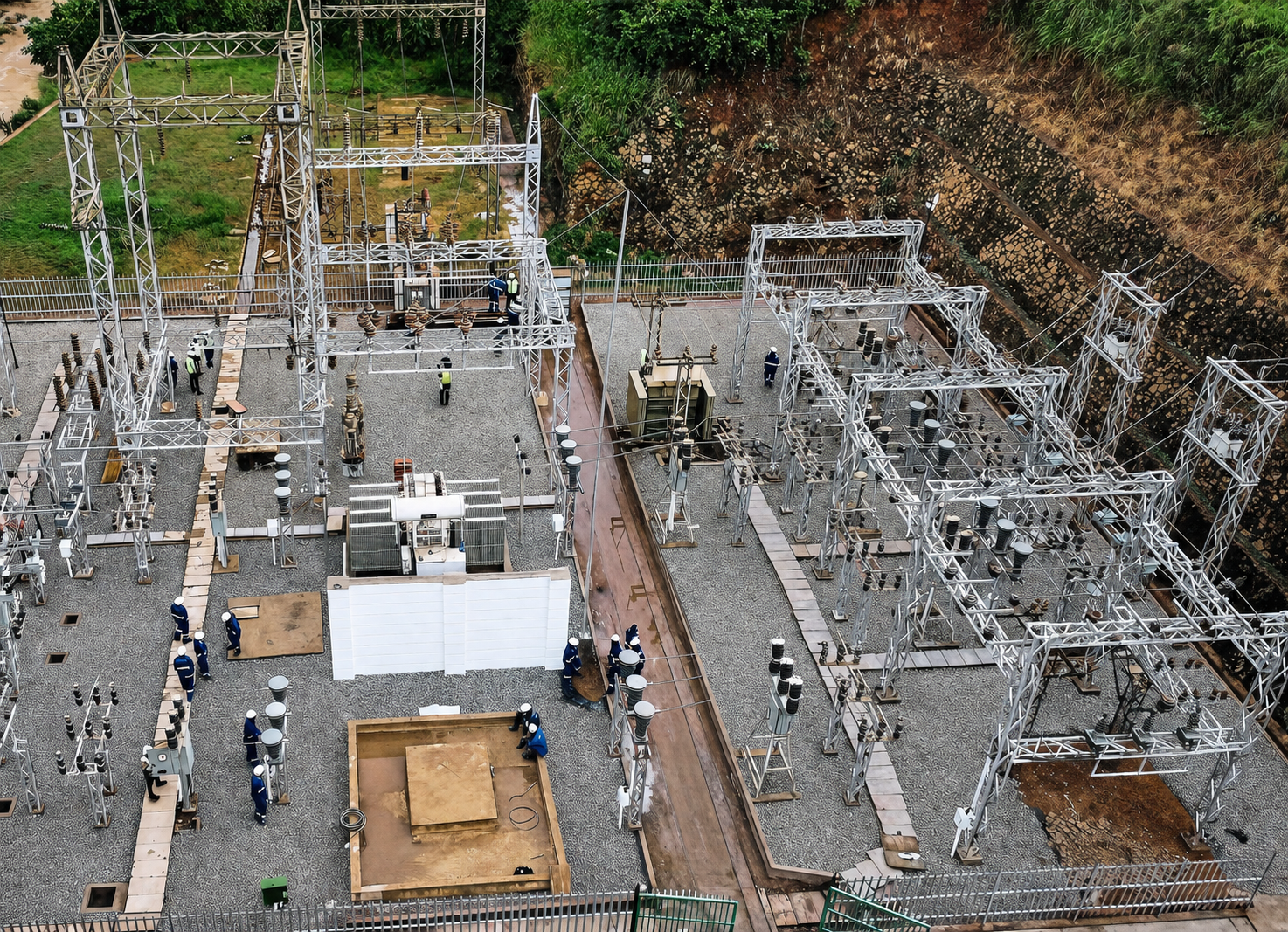
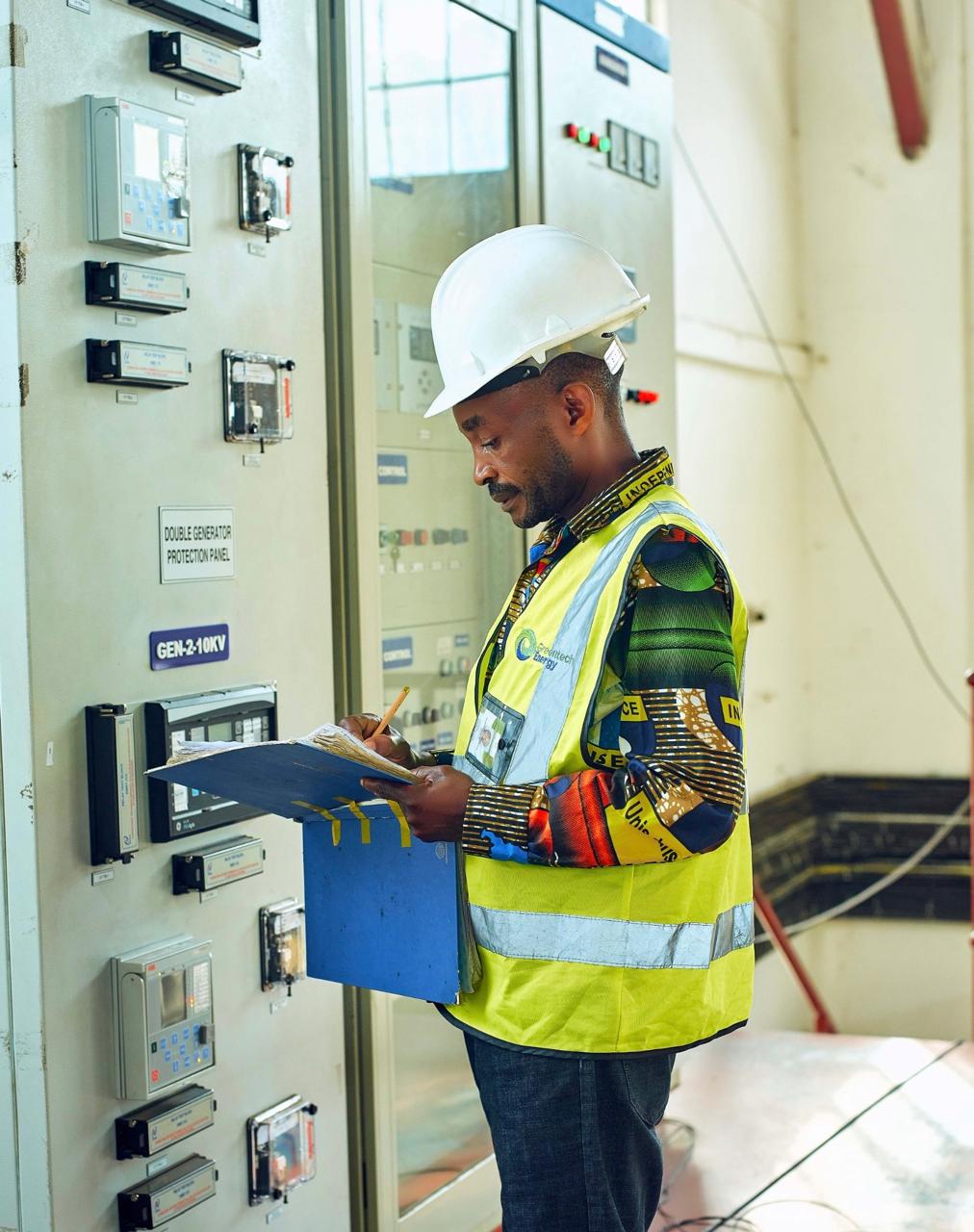
Restoring the Budana station meant rebuilding not just the generating machinery but the entire chain of infrastructure needed to get power from the turbine hall to the end customer. Decades of neglect had left cables deteriorated, switchgear degraded, and transformer infrastructure — both at the Budana site and in town — in need of significant work. The grid itself had to be rebuilt.
The distribution network serving Bunia was rebuilt from the ground up — new cables, restored poles and connections across the city, enabling power to reach customers who had gone without reliable electricity for years.
Pre-paid smart meters ensure every unit of power delivered generates revenue. Customers purchase credit in advance; there are no collection losses from unpaid bills. This billing model — uncommon across much of the DRC — is central to the project's economics.
Step-up transformer infrastructure at Budana and step-down substations in town were both restored and brought back into service — necessary to transmit power from the generation site to the urban grid at the appropriate voltage.
Overhaul of both Francis turbines to their rated 2.75MW output. Full grid rebuild. 4,700+ pre-paid smart meters installed and billing in USD. The station is fully operational and growing its customer base across the Bunia network. Delivered at roughly one-third of equivalent greenfield build cost.
The third Francis turbine at 6.5MW enters refurbishment, more than doubling station output. Civil infrastructure and grid connection are already in place, keeping incremental capex low.
4.5MW of solar generation and 20MWh of battery storage added to the site, taking peak capacity to 16MW and improving dispatchability across the Bunia grid.
The DRC holds approximately 13% of the world's total hydropower potential — enough, if fully harnessed, to power the entire African continent. Yet fewer than 20 stations are operational today. Since independence, roughly 100 medium-sized hydropower plants have been built across the country; the vast majority are no longer generating. Many retain their essential civil infrastructure intact: dams, intakes, penstocks, powerhouses. The barrier to revival is not geological or technical — it is operational, exactly the gap VerdAfrique is built to close.
98% of the DRC's electricity already comes from hydropower, yet the national electrification rate sits below 20%. The restoration model proven at Budana — refurbishing existing infrastructure at a fraction of new-build cost, with established hydrology and metered billing — is directly replicable across this landscape of dormant assets.
To discuss Greentech Energy or request further information
contact@verdafrique.org